
Ayacucho:
A journey to the soul of Peru
Framed by majestic mountains and an incomparable blue sky, Ayacucho is a destination steeped in history and art. It was here that the Wari civilization—the first great empire of the Andes—flourished, and centuries later, the roots of Peru’s republican history took hold.
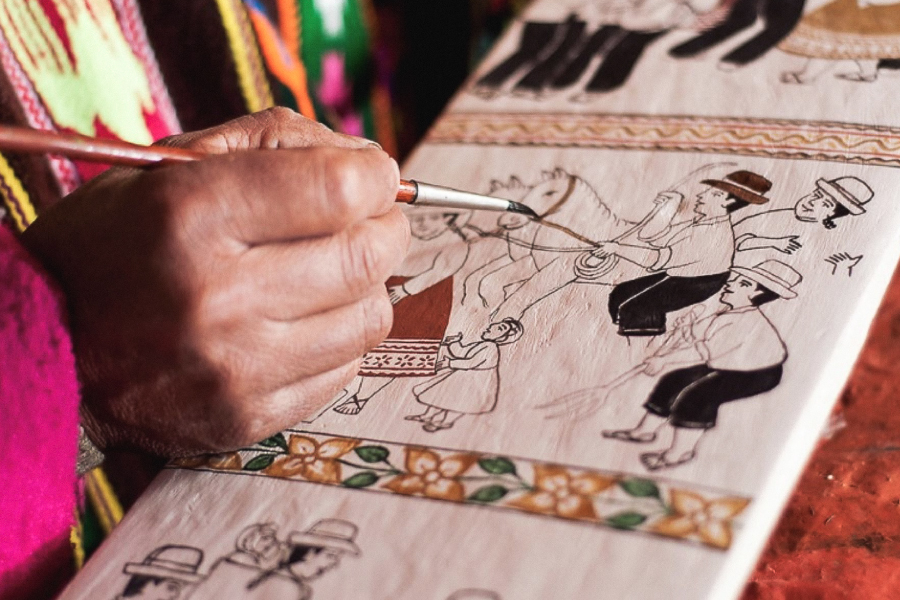
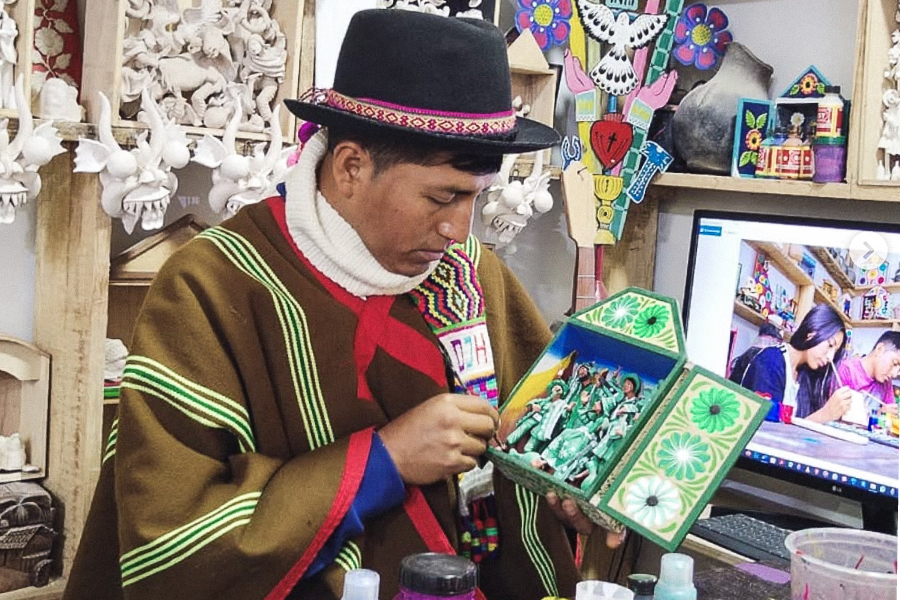
The people of Ayacucho, survivors of one of the most difficult chapters in the country’s recent history, have transformed memory into art. Their intricate retablos, fine ceramics, Huamanga stone carvings, renowned Sarhua boards, and exquisite textiles continue to inspire and captivate. The region’s colonial churches and vibrant festivities—most notably Holy Week, among the most important in the Catholic world—stand as living expressions of Ayacucho’s deep spirituality and enduring identity.
With Diego’s recent visit, we are reminded that Ayacucho remains a lesser-known region—one that touches and transforms everyone who walks its paths. At COLTUR, we invite you to experience its greatness firsthand.
Several years after my last visit, I returned to this land that holds within its essence the history, art, and living memory of Peru.
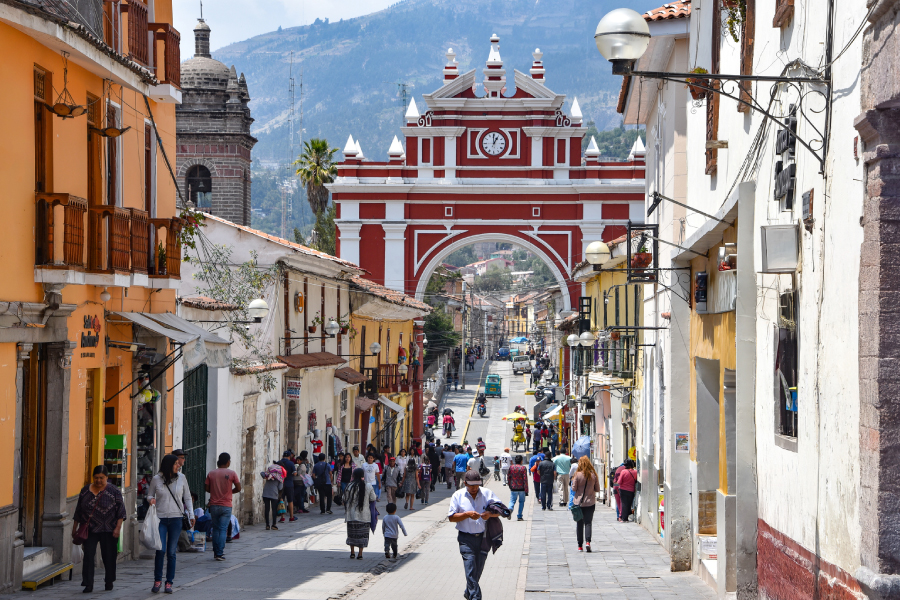
A short flight from Lima—barely 50 minutes—takes me into the heart of the southern Andes, where Ayacucho welcomes me with its warm, golden light. At 2,700 meters above sea level, this “City of Churches,” with more than thirty colonial temples, immediately reveals an atmosphere that is serene, contemplative, and almost sacred. In one of its colonial mansions, Casa Andina—Peru’s leading hotel chain—has found a home, anchoring its standard brand here while preparing to unveil its premium collection.
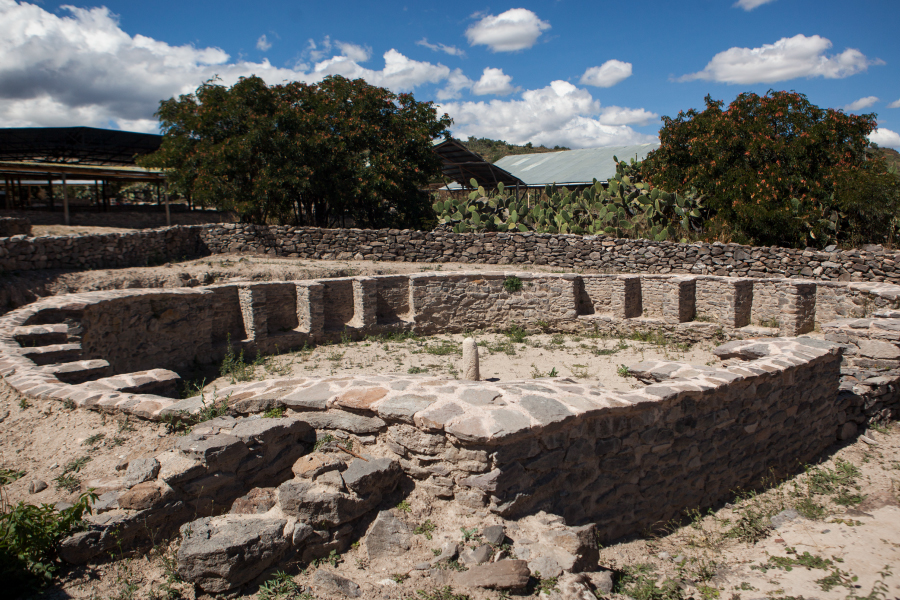
My journey begins with the Wari Site Museum, where the pottery, textiles and stone sculptures exhibited bear witness to a civilization that flourished five centuries before the Incas. The Wari, pioneers of Andean territorial expansion, created the first great road network—an infrastructure that centuries later would serve as the foundation for the famed Qhapaq Ñan, the Inca Road System. Their monumental complex remains astonishingly advanced for its time, with subterranean galleries, ceremonial platforms, and monumental architecture that reveal a legacy as refined as it was powerful.
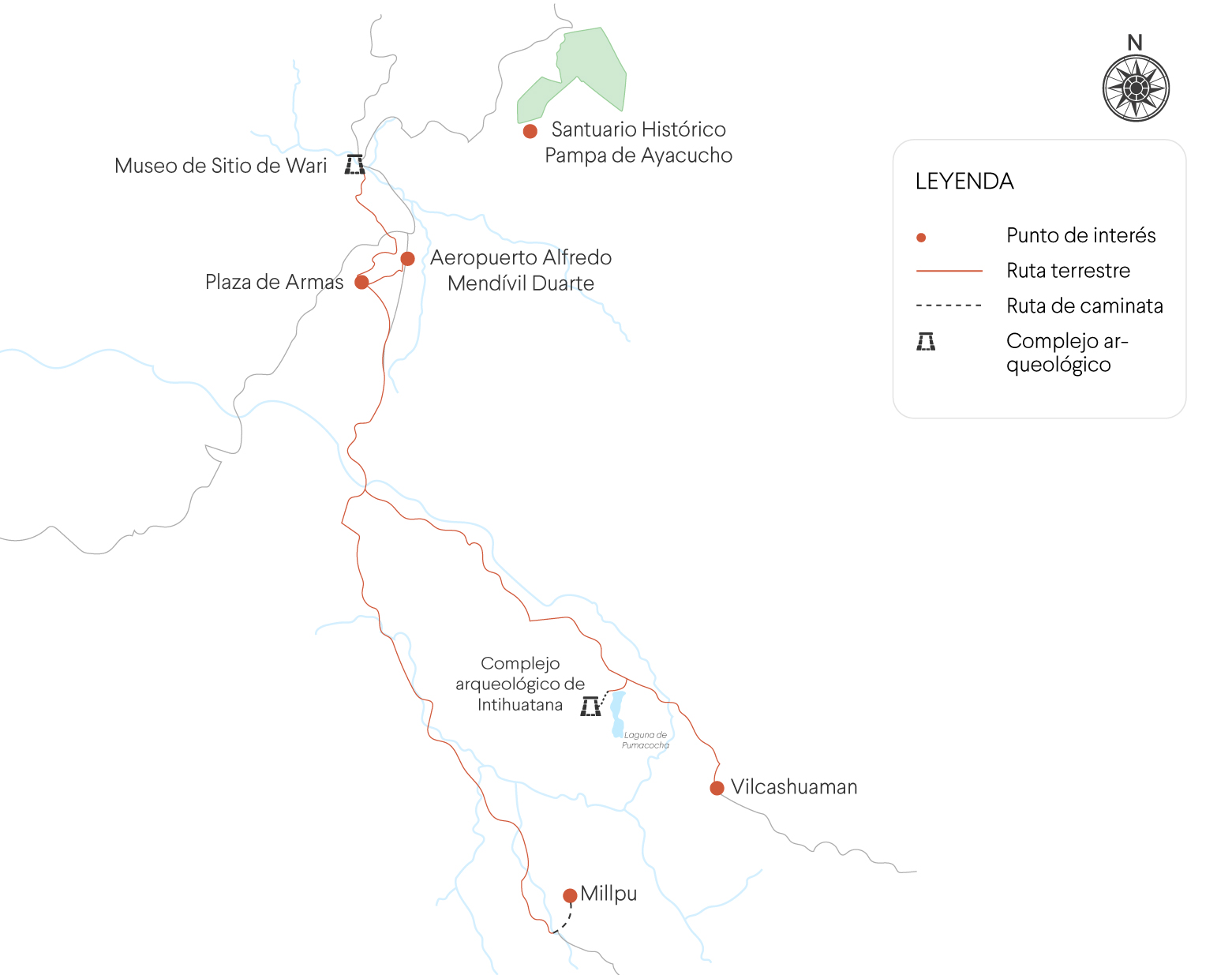
View full map
DIEGO VELASCO
Manager for Europe, Australia, and New Zealand | Bespoke Journeys
diego.velasco@colturperu.com
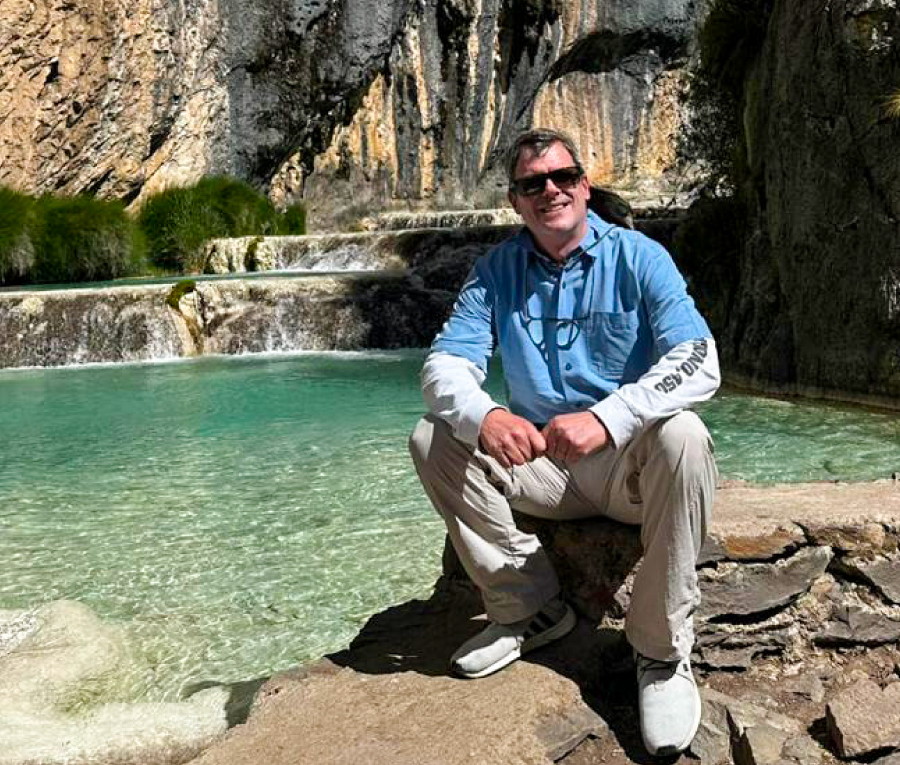
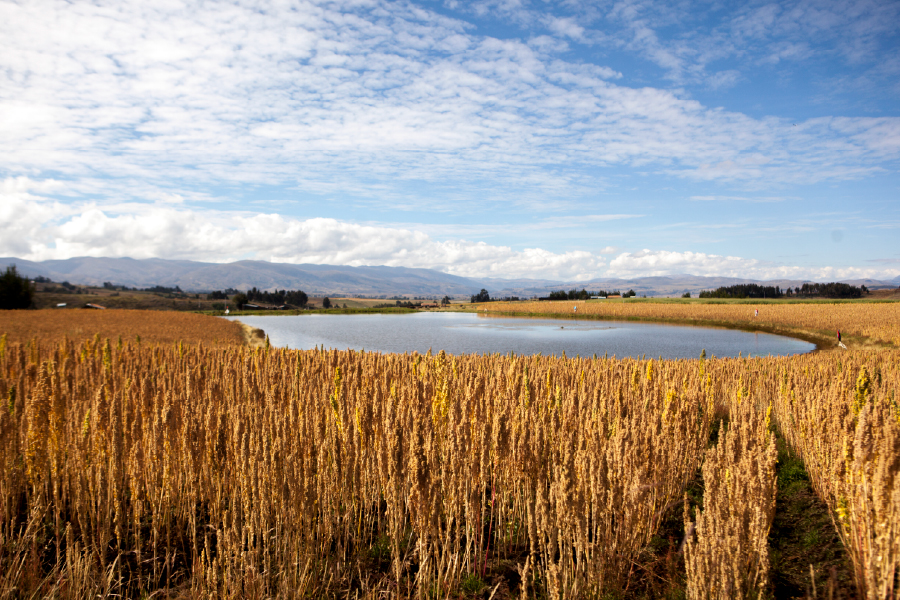
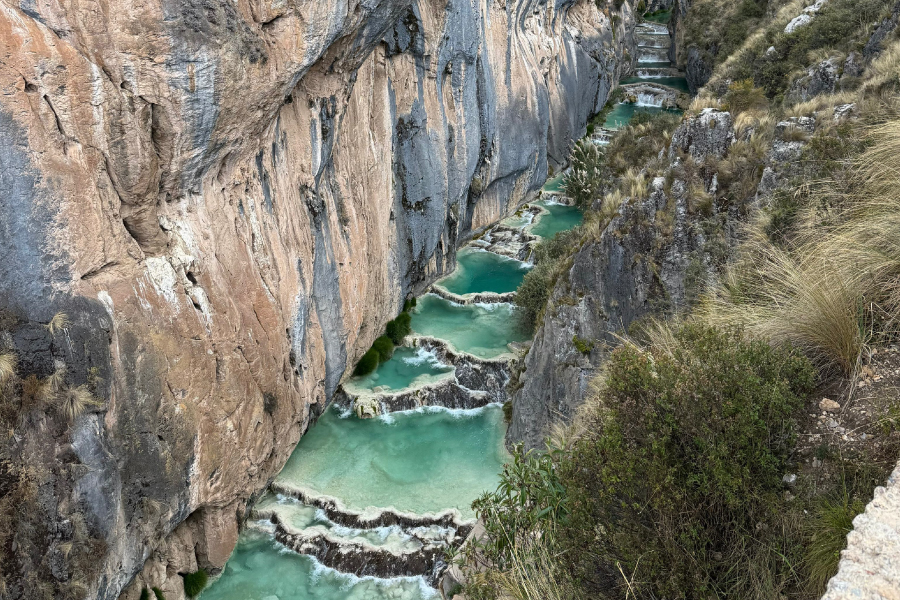
The next day, the clear sky invites me to go out in search of nature. At dawn, I set out for Millpu, a hidden wonder of turquoise pools that has recently risen to fame thanks to social media. The three-hour drive follows a route that climbs slowly to an altitude of 3,600 meters, skirting mountains and passing through fertile valleys where corn, potatoes, cassava, and quinoa are grown.
From the trailhead, a 20- to 30-minute walk leads to the pools, nestled at the base of a canyon. Their crystalline turquoise tones—born of mineral-rich waters and sunlight—shimmer against rock walls and lush vegetation, creating a scene so ethereal it feels painted. Along the trail, natural vantage points and manmade steps invite visitors to capture the moment, whether in sweeping panoramas or intimate portraits. The best time to come is between April and November, when clear skies frame the most dazzling hues.
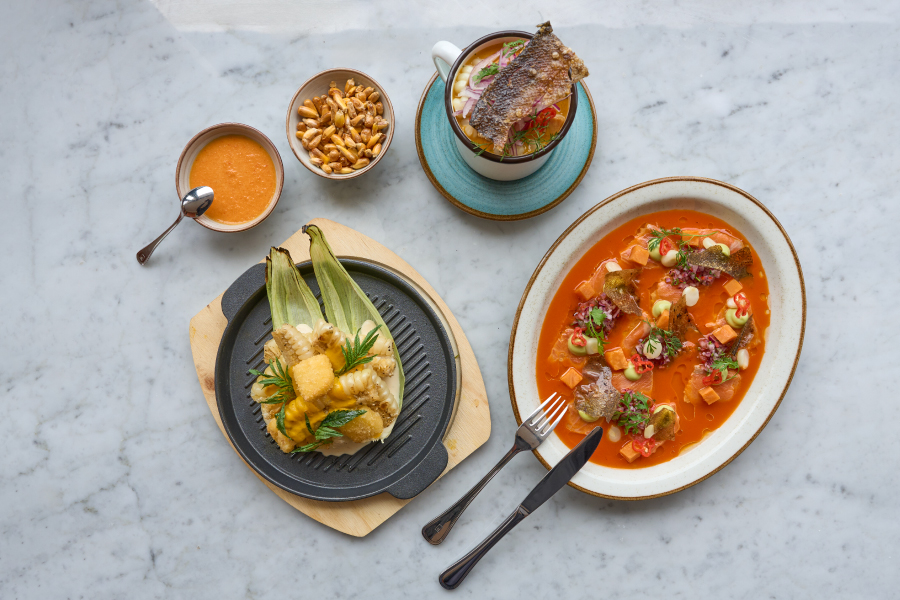
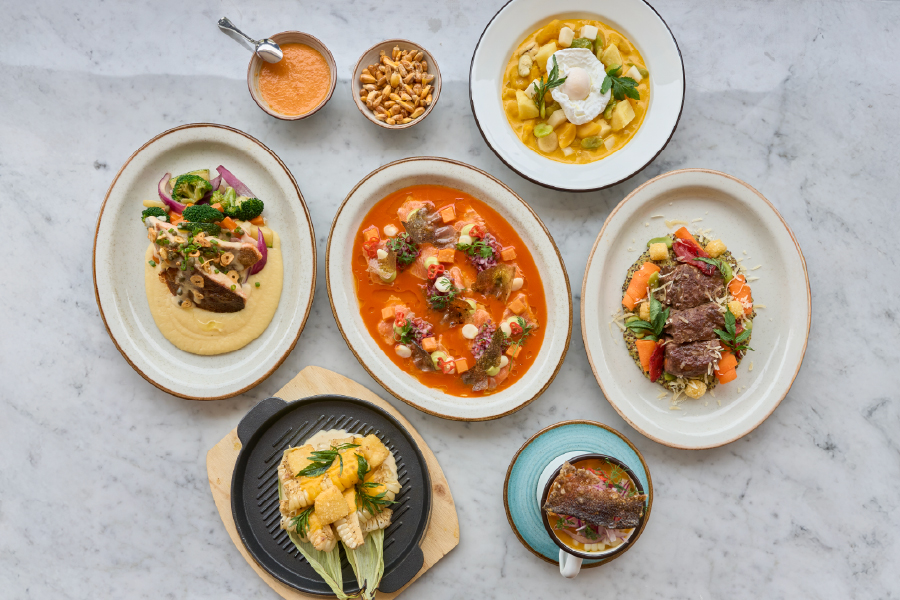
Afterward, I returned to the village, where the community has embraced sustainable trout farming, which meant we were able to enjoy a delicious taste of the rich local cuisine. In their kitchens, local people prepare regional delicacies ranging from classic fried trout to ceviche and deep-fried dishes, all of which highlight the freshness of local produce and the richness of Ayacucho’s cuisine.
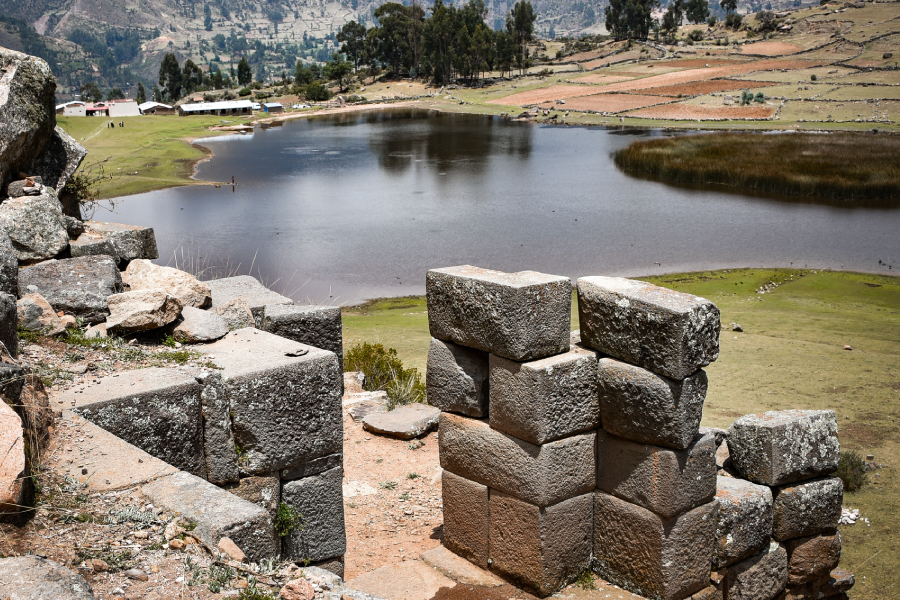
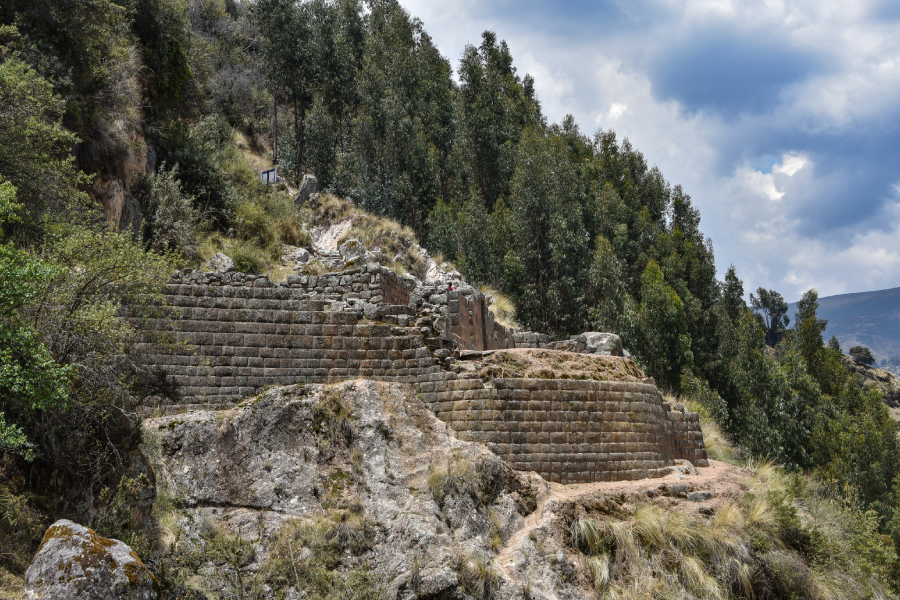
Ayacucho’s wonders continue with two remarkable archaeological sites: Intihuatana and Vilcashuamán.
At 3,200 meters, Intihuatana was once a retreat for Inca nobility. Amid breathtaking landscapes, one discovers the solar clock, the watchtower, the palace, the Inca baths, and Pumacocha, an artificial lake carved in the form of a puma.
Vilcashuaman was an ancient administrative center, located at almost 3500 meters above sea level. It has been called “the final stronghold of the Incas”, due to its strategic importance and also because of what remains preserved among its stone structures. Here, the Temple of the Sun and the Moon is particularly interesting, with its polished stone architecture and three-stepped terraces containing niches, over which, centuries later, the Church of Saint John the Baptist was built. Nearby, the Ushno —a five-platform pyramid and one of the largest ceremonial altars built by the Incas— has been preserved. Both of these spaces offer a glimpse into the process of integration, adaptation and symbolic power that occurred with the arrival of the Inca empire in these lands.
Something that has always captivated me about Ayacucho is its profound connection to art — an identity that blends Andean heritage with Hispanic influences in a fusion that has given rise to truly unique artistic expressions. Recognized as Peru’s Capital of Folk Art and Handcrafts, the city is a vibrant cradle of creativity. On my last day, I immersed myself in an artistic quest, visiting the workshops of master retablo makers and sculptors of Huamanga stone — artisans who, through the forms they carve, also shape memory, devotion, and a quiet, healing energy.
Before bidding farewell to Ayacucho, I take the time to visit Pampa de la Quinua. This historic monument, spread over 300 hectares dominated by light and silence, stands on the site of one of the most decisive chapters in Peruvian history; the Battle of Ayacucho. Fought on December 11th 1824, this encounter sealed Peru’s independence, and today, under an immense sky, a monumental obelisk stands as a witness to the birth of the republic. Standing here two centuries later is profoundly moving, not only for what it represents, but for the way landscape and memory are combined in a single place.
I leave Ayacucho with a nourished soul. This generous land offers living history, moving landscapes, authentic flavors and artistic expression that speaks directly to the heart. This is a destination that is not merely visited, it is lived.
Discover the wonders Peru has to offer your travelers.