
COLTUR on Propósito en la Mesa:
The journey of a B Corp
As we approach our 70th anniversary—with three generations of our family dedicated to tourism in Peru—we have learned that our work goes far beyond creating journeys.
At COLTUR, we are part of a broad network of people, communities, and destinations, and we understand that every decision we make has an impact. Our role is to connect travelers with Peru, its people, and its heritage—while caring for what makes each experience possible.
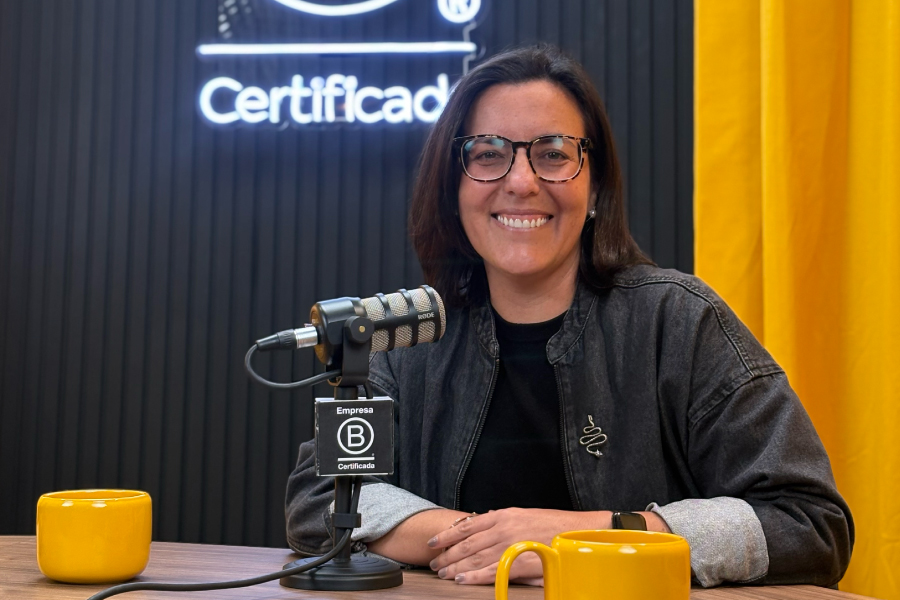
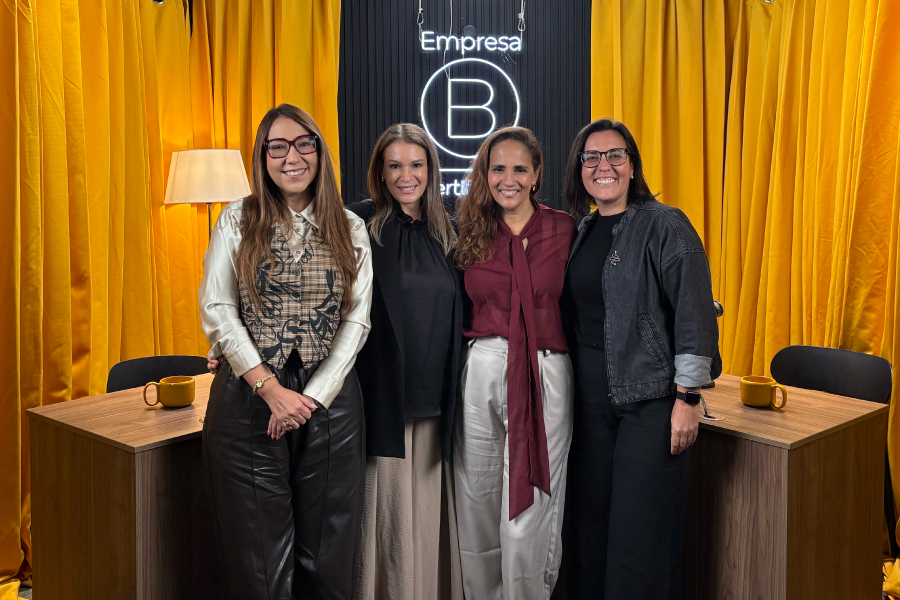
This vision was at the heart of the conversation shared by Mariana Watson, our Commercial Director, in the second episode of Propósito en la Mesa, the podcast celebrating 10 years of B Corps in Peru. Together with other women leaders, she reflected on how purpose has become part of COLTUR’s business strategy—grounded in the belief that doing things well, creating positive impact, and building a profitable company are not separate ambitions, but part of the same way of understanding success.
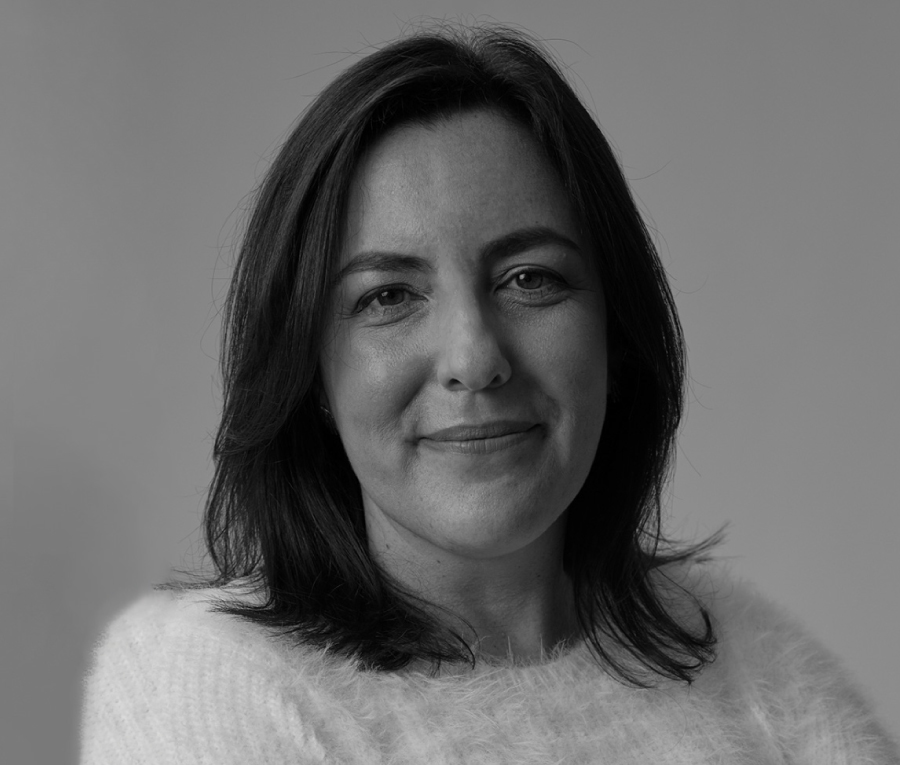
Commercial Director
Tourism as a Network of Connections
At COLTUR, we believe our greatest assets are the people and destinations we work with. Designing a journey means much more than coordinating services. It means creating a narrative around a place—its history, culture, or a particular theme—and bringing together different experiences and perspectives that give the journey meaning.
To make that possible, we connect an extensive network of people and organizations: guides, hotels, transportation providers, artists, specialists, communities, suppliers, local governments, and, of course, our own team. But it also means understanding what inspires someone to travel—what they hope to discover, what moves them, and how they want to feel along the way.
That is precisely our role: to be great connectors. To use travel as a way of linking a traveler’s interests and emotions with a destination, its people, and its heritage. And that is where we understand that the sustainability of our business is inseparable from the sustainability of the destinations and people who make these experiences possible.
This perspective shapes the decisions we make—the experiences we design, the people and organizations we choose to work with, and the way we engage with the places around us. Because every one of those decisions has an impact that extends far beyond the journey itself.
A Purpose the Pandemic Brought into Focus
Creating positive impact through tourism had always been part of the way we did business at COLTUR. It was a conviction rooted in our beginnings and reflected in many of our practices, even before we had formally defined it as our purpose.
The pandemic became a turning point. The shutdown of tourism made us even more aware of our responsibility—and of just how many people depend, directly or indirectly, on our industry. It also gave us the opportunity to reflect on the kind of company we wanted to be when travel resumed.
We decided to make explicit what had long been part of our identity: creating positive impact through tourism. But stating it was not enough. We needed to embed it consciously into our strategy and into decisions across the organization—from the experiences we design and the suppliers we choose, to the development of our team and the relationships we build with clients and partners.
Selling Better—and Building a Better Company
The pandemic also gave us a rare opportunity to pause, question the way we worked, and, in many ways, begin again. Rather than focusing only on returning to previous levels of activity, we chose to focus on building a better company—with a clearer strategy, a stronger culture, and a purpose that could guide our decisions.
It also transformed the way we think about growth and sustainability. For us, sustainability goes far beyond planting trees, recycling, or offsetting our carbon footprint. It means integrating social, environmental, and economic considerations into every dimension of the business. We learned that growth is not always about selling more, but about selling better—investing in people, strengthening our culture, making conscious choices about the markets and segments we want to serve, and being clear about our principles and the things we are not willing to compromise.
Along that path, B Corp certification gave us a framework to organize, measure, and evaluate our practices, identify opportunities for improvement, and continue moving toward a company that is increasingly aligned with its purpose.
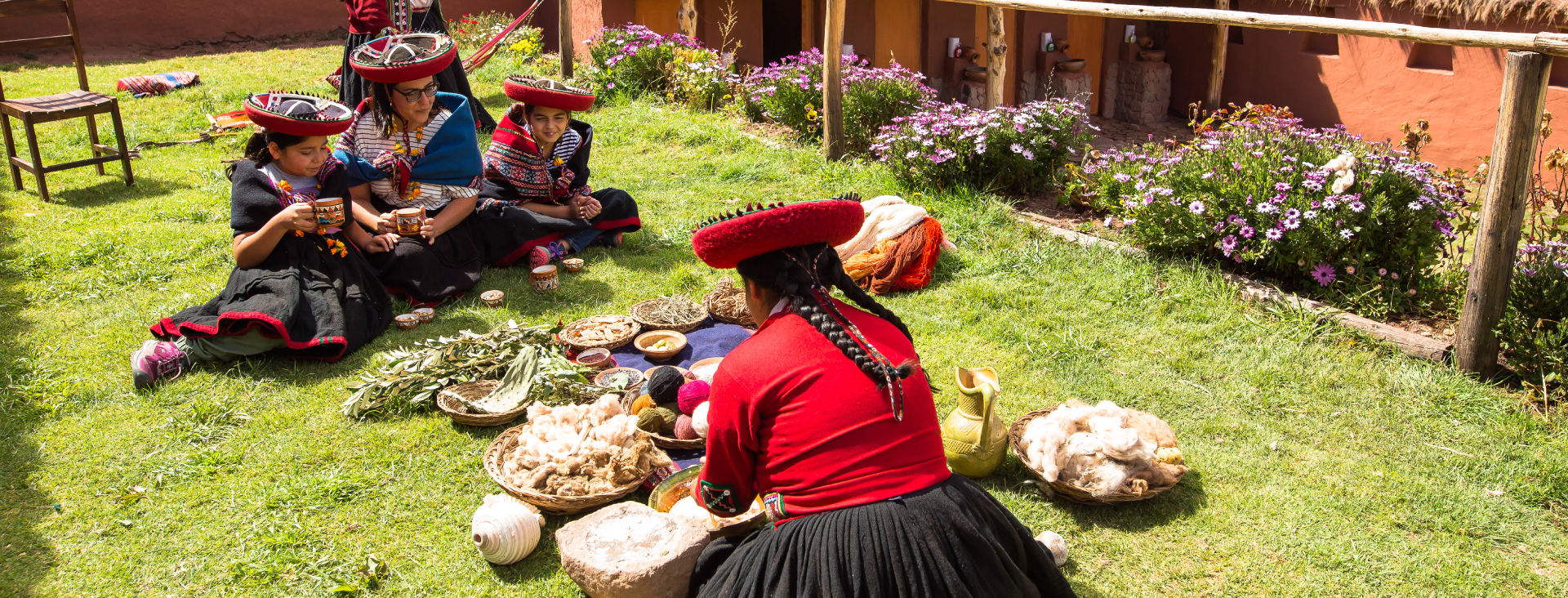
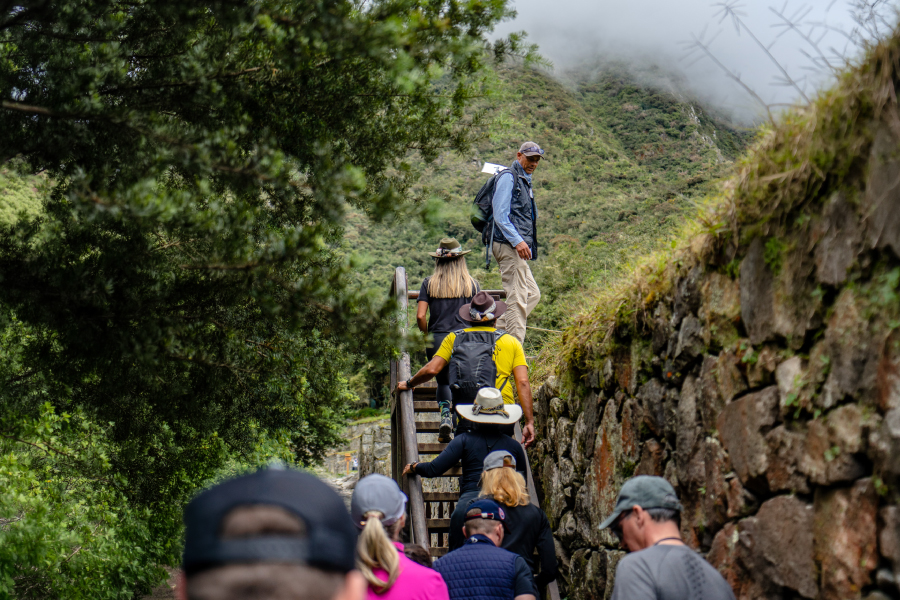
Travelers are increasingly informed about the impact tourism can have on the places they visit. Many want to better understand local cultures, discover different ways of life, and build a deeper connection with the people and places they encounter. But growing demand also creates pressure on certain destinations—especially when tourism becomes concentrated along a small number of routes.
This reality asks us to design journeys more consciously, question traditional ways of operating, and, at times, learn to say no. We cannot continue promoting certain experiences without considering their consequences—even when that means walking away from a business opportunity or proposing alternatives that may initially be less profitable. Sustainability also means understanding the limits of what makes our activity possible.
But our responsibility does not end with the decisions we make as a company. We also need to take a more active role in shaping the future of tourism in Peru and advocating for the conditions needed to develop it responsibly.
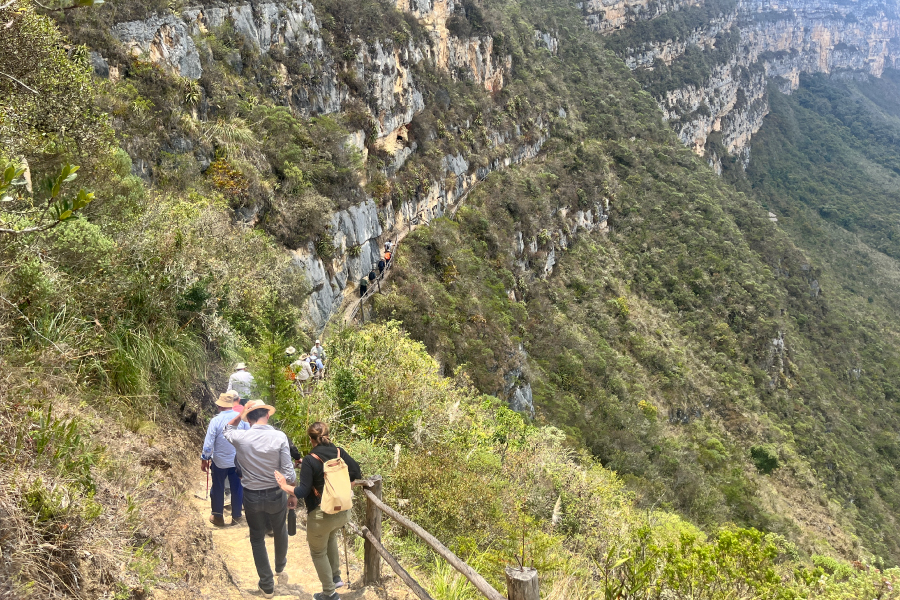
Chachapoyas is a good example. The region is home to extraordinary natural and cultural heritage, yet it still faces significant challenges in connectivity, infrastructure, and service development before it can establish itself as a competitive destination alongside Peru’s more established routes. That requires collaboration, investment, and a long-term vision. At the same time, we cannot wait until every condition is perfect before beginning to introduce the region to travelers, develop new experiences, and create opportunities for local communities.
The future of tourism in Peru will depend both on our ability to recognize when limits are necessary and on our willingness to open new possibilities—while continuing to advocate for better conditions for tourism development.
When Purpose Builds Trust—and Trust Creates Value
At COLTUR, we do not see profitability as separate from sustainability and purpose. On the contrary, when a company makes decisions with the well-being of people, the environment in which it operates, and the quality of what it offers in mind, it builds something essential to any business: trust.
That trust is reflected in every relationship we build—in a team that shares a vision and commits to it, in suppliers who want to grow alongside us, and in clients who know they can rely on COLTUR not only to deliver a journey, but also to make the right decisions, even when they are not the easiest ones.
And it is precisely that trust that allows us to build long-term relationships, attract people and organizations that share our values, and create opportunities for growth. From this perspective, profitability and positive impact are not at odds. Profitability becomes the result of building a strong, consistent company that remains true to its purpose.
Being part of the B Corp community allows us to share this journey with organizations across different industries that are also working to demonstrate that business can be done differently. Because the real challenge is not simply to grow—but to grow while creating value for everyone who is part of what we do.
Listen to the full episode of Propósito en la Mesa and hear Mariana Watson’s conversation with Cecilia Rizo-Patrón—Executive Director of Avanza Sostenible—and Ale Oliva—Corporate Affairs Manager at Natura—as they explore the relationship between purpose, sustainability, and business performance.
Click here to watch the full episode.