
Ica:
Beyond the Desert
With that in mind, we set out to explore Ica and Paracas, along Peru’s southern coast. We were traveling together for work, with a clear purpose: to experience, test, and uncover new possibilities for the journeys we design in the region. Over the course of several days, we discovered far more than we could ever fit into a single itinerary. And that was precisely the point: to broaden our perspective, so we could later curate and combine each experience around the interests of every traveler.
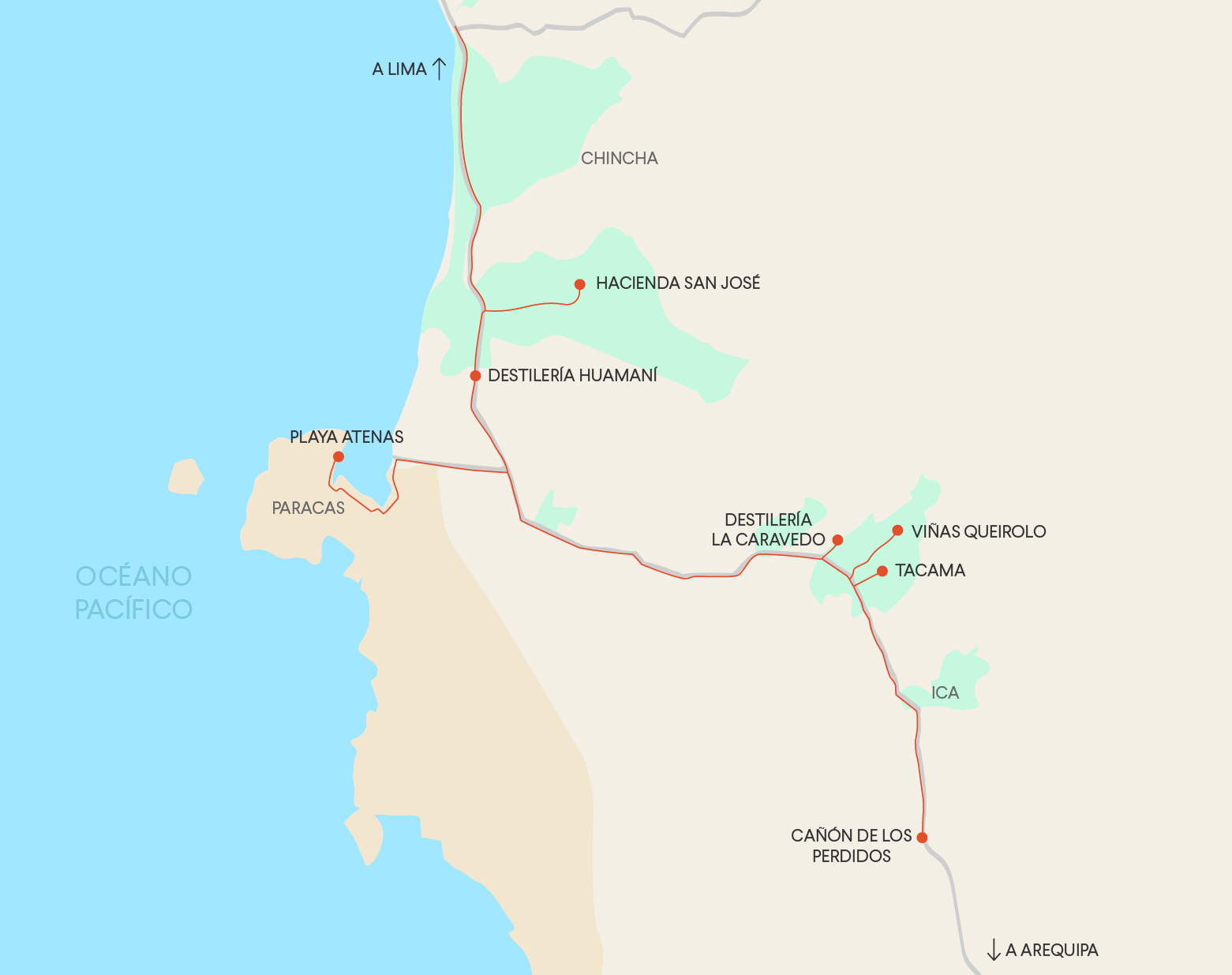
We left Lima by road, crossing the arid landscapes of the coast until we reached our first stop: Huamani Distillery. Although Paracas is known worldwide for its desert and bay, we wanted to look beyond its most familiar attractions and discover experiences that could add another dimension to a journey through the area.
I had tasted Huamaní’s piscos on the menus of some of Lima’s finest restaurants, but discovering where they come from is an entirely different experience. Its story dates back to 1890 and, four generations later, production remains artisanal, with small batches distilled in traditional copper stills. Listening to expert tasters, walking through the distillery, and understanding how pisco is made changes the way you see, and taste, Peru’s national spirit.
Later, we turned to the flavors of Paracas, where seafood naturally takes center stage and reflects the region’s close connection to the Pacific. It was the perfect way to bring our first day to a close.
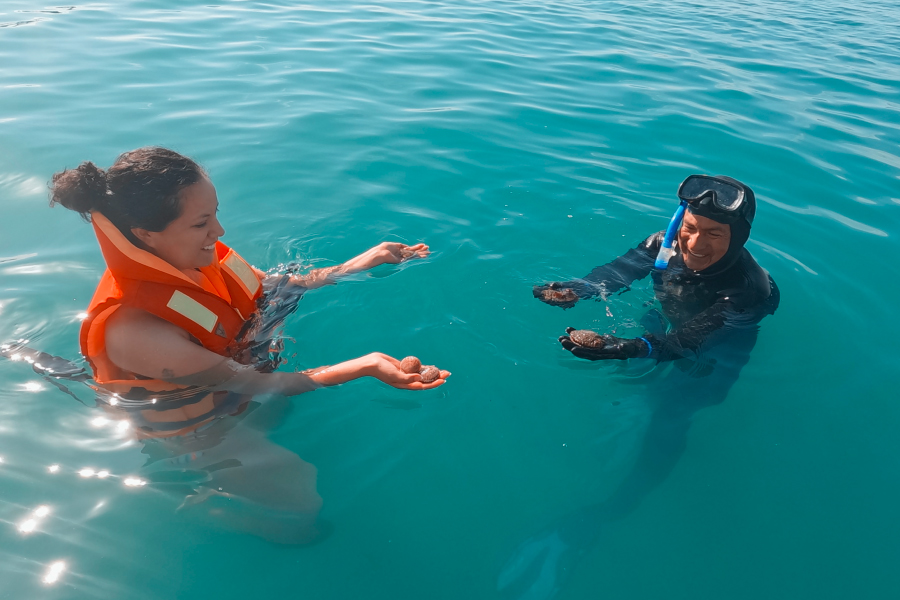
At dawn, we experienced one of the most memorable moments of the journey. We ventured into an area where conchas de abanico (Peruvian scallops), are farmed, meeting the fishermen and producers who showed us how they are cultivated. This time, we were not simply watching from the sidelines. We stepped into the sea, harvested the scallops ourselves, and prepared a dish with what we had just collected. That immediacy is what makes the experience so special: going from sea to table in a matter of minutes and tasting something remarkably fresh, in the very place where it comes from.
View full map
ANDREA DURAN
Manager for Latin America
andrea.duran@colturperu.com
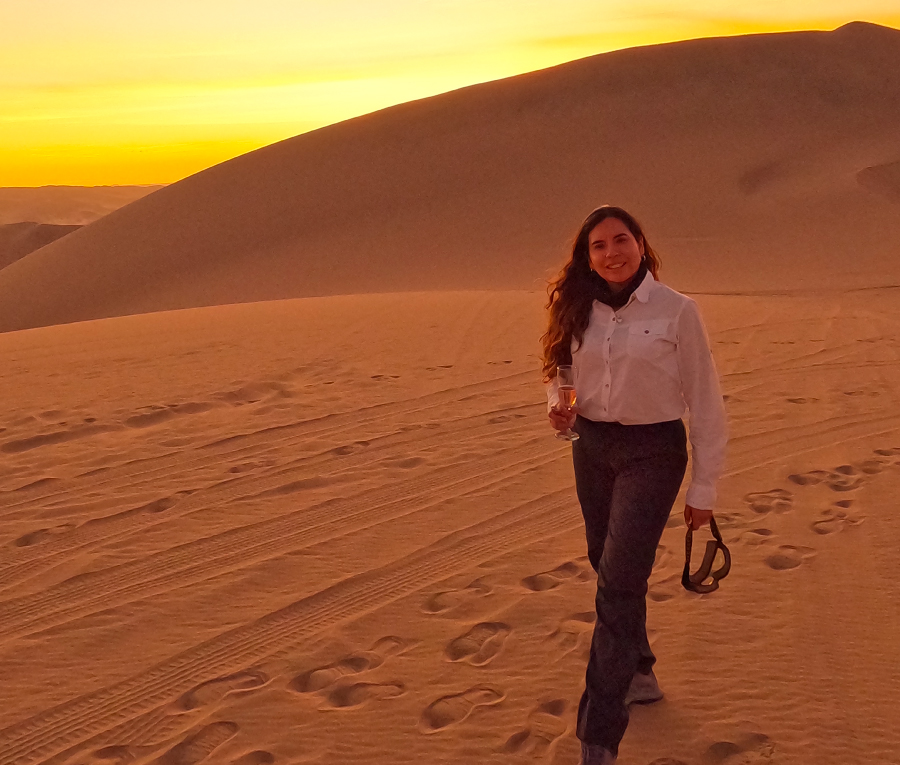
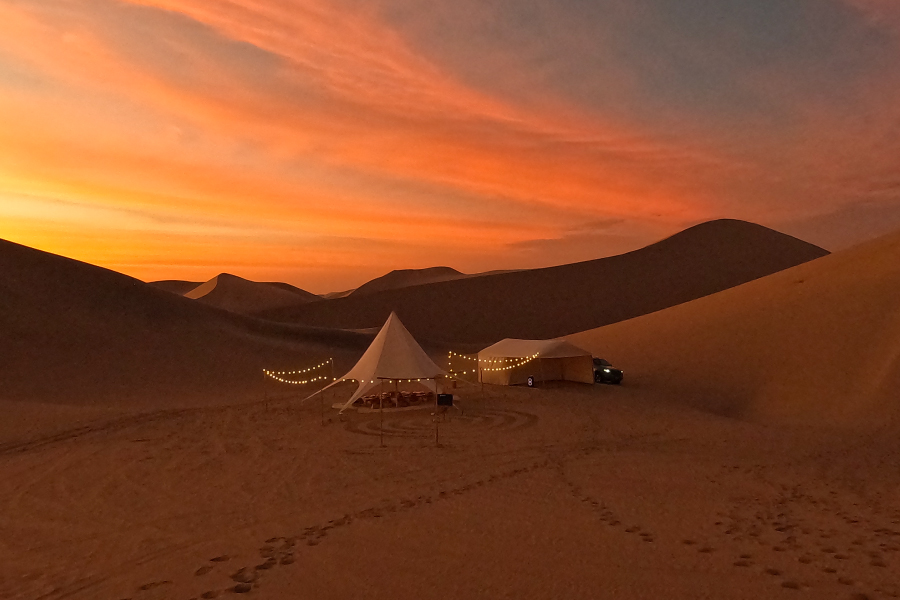
Aboard Can-Am vehicles, we crossed immense dunes, navigating climbs, descents, and hidden tracks as part of a playful team challenge to find a hidden treasure. The landscape seemed to shift from one moment to the next, while the experience brought something unexpected to the desert: adventure, camaraderie, and a shared sense of discovery.

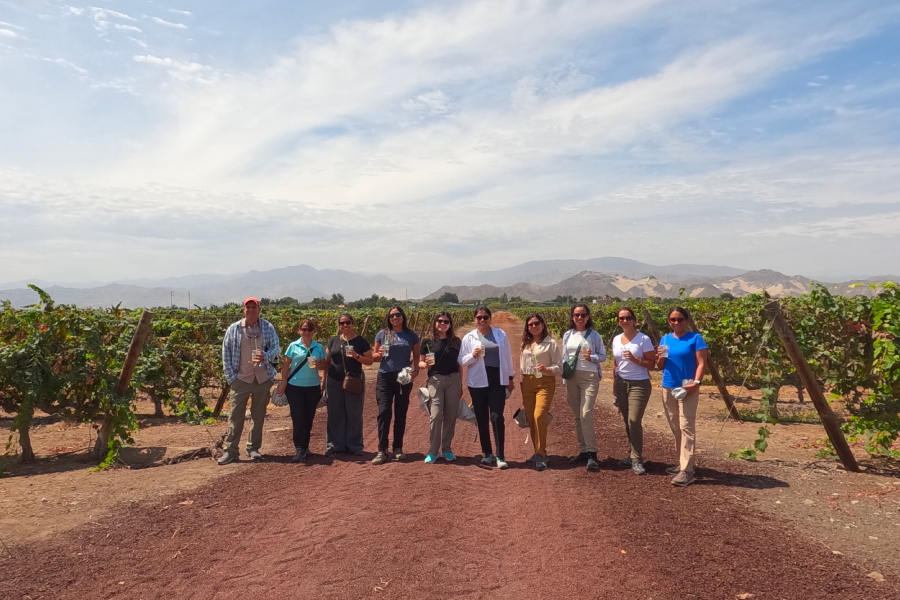
That night, we stayed at Hotel Viñas Queirolo, surrounded by miles of vineyards. In just a few hours, we had moved from the Pacific Ocean to the dunes and finally to the vines: three entirely different landscapes, all revealing the remarkable diversity found along this stretch of Peru’s coast.
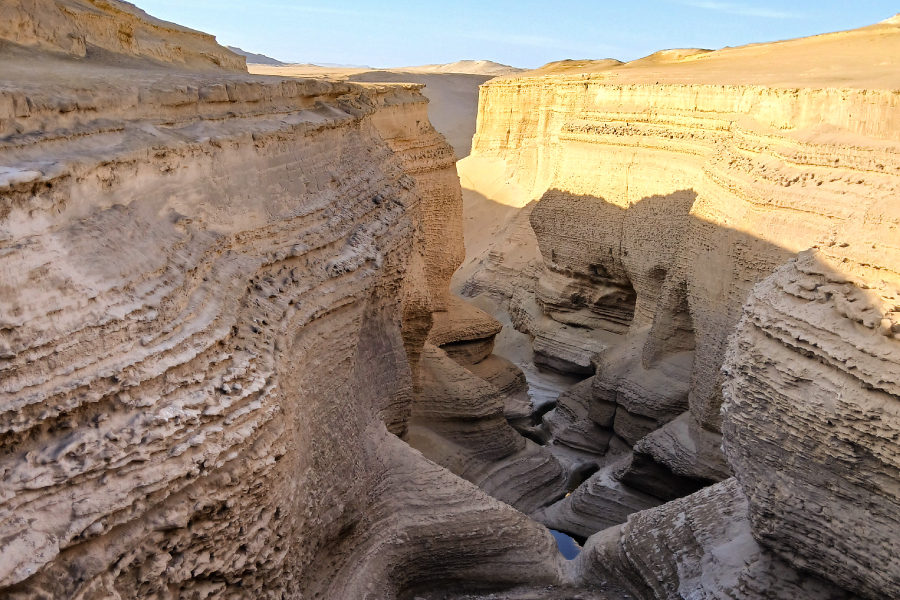
We arrived by 4×4 and continued on foot, descending to the canyon floor. According to researchers, this landscape, once part of an ancient seabed, was shaped over millions of years. Walking between its towering rock walls reveals an Ica very different from the one most travelers imagine.
That afternoon, we returned to the world of pisco at historic Hacienda La Caravedo, founded in 1684 and considered the oldest continuously operating distillery in the Americas. We explored the hacienda, learned about its history, and, guided by experts, even created our own pisco acholado. Moving from simply observing the process to taking part in it gave the experience an entirely different meaning.
We ended the day with a toast from one of the hacienda’s viewpoints as the sun disappeared over the vineyards.
Later, we arrived at Hacienda Tacama, and the journey took on another dimension. Its history dates back to the 1540s, when Francisco de Carabantes established what the winery identifies as South America’s first vineyard.
But Tacama’s significance goes well beyond its age. The hacienda preserves the character of Peru’s historic coastal estates, while its original winery exists alongside contemporary production. Its wines have earned recognition at international competitions, including the International Wine Challenge and the Decanter World Wine Awards, reflecting a tradition that has continued to evolve over time. We ended our visit with a tasting of wines and piscos, bringing us closer to a winemaking tradition that Tacama has kept alive for nearly five centuries.
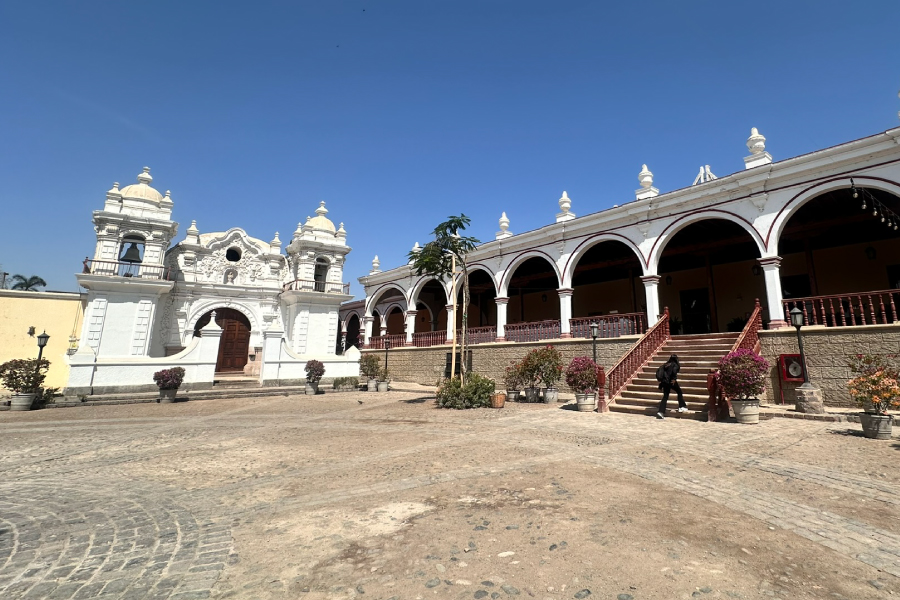
Our final day began at Hacienda San José, in Chincha. Beyond its colonial architecture, the visit brought us closer to a fundamental chapter in Peru’s history, shaped by the forced arrival of Africans during the colonial period and by the extraordinary cultural legacy their descendants have preserved and enriched across generations. Today, Chincha is one of the great centers of Afro-Peruvian identity, especially through its music, dance, and traditions.
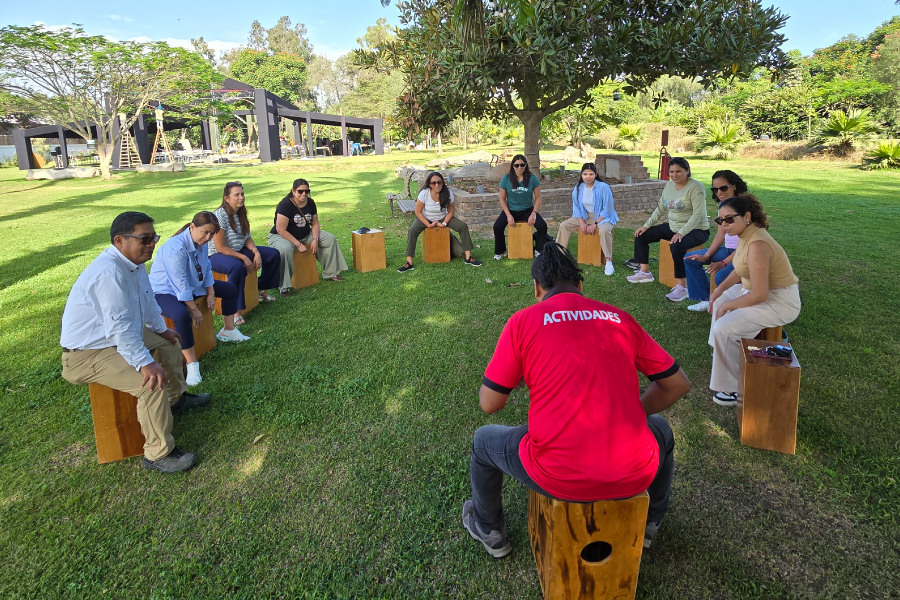
We explored the hacienda, its chapel, and its historic spaces before joining Afro-Peruvian musicians and dancers for a class.
We tried to follow the rhythm of the cajon, danced, and laughed as we encountered these cultural expressions in a far more personal way. It was one of those experiences where you stop being an observer and become genuinely part of what is happening around you.
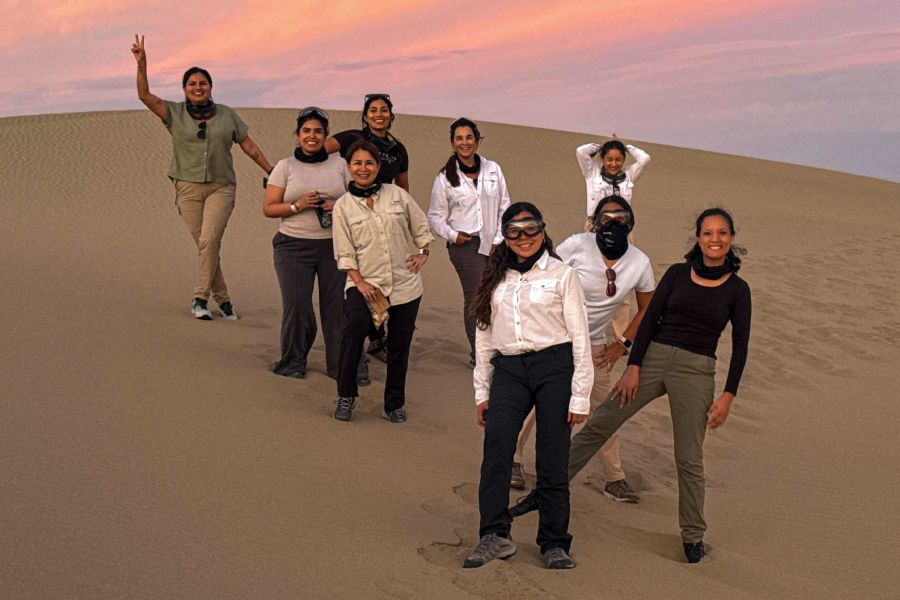
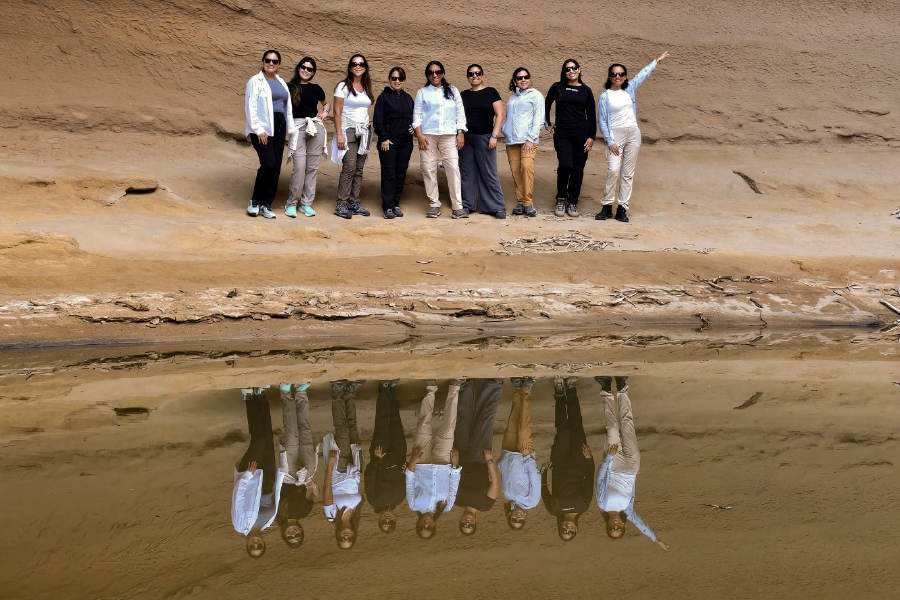
But the inspection also left us with something that had never been on our checklist. There were endless conversations, spontaneous laughter, shared toasts, and memorable moments among women who work together. In the end, places are an essential part of every journey, but the people we share them with can completely transform the way we experience them.
Discover the wonders Peru has to offer your travelers.
Contact our destination experts.