
Ausangate:
The Trail of Cusco’s Guardian Apu
Welcome to a new edition of Explore Peru, in which we will immerse ourselves in one of the hidden treasures of our country, together with Andrea Duran, leader of our Latin America Bespoke Journeys division and a fervent enthusiast of hiking.
Peru is famous for its trekking routes and, beyond the emblematic Inca Trail to Machu Picchu, it is possible to hike for hours or days, among sacred mountains that offer peace and quiet, and are home to Andean communities, llamas, alpacas, vicuñas, and condors.
In the heart of the Cusco region, Andrea guides us through the trail of the guardian apu: the imposing Ausangate. For those who choose to venture on this path, it is a transformative experience.
Join us to discover the highlights of this trek in Peru.
The long-awaited day arrives. I leave my hotel and head south. One of the first stops is the beautiful church of Checacupe, built in the 17th century over the remains of an Inca palace, and home to paintings from the Cusco School. From here, it is possible to ascend to the Pitumarca valley, renowned for the skill of its weavers and the access route to Cusco’s sacred guardian mountain, or apu.
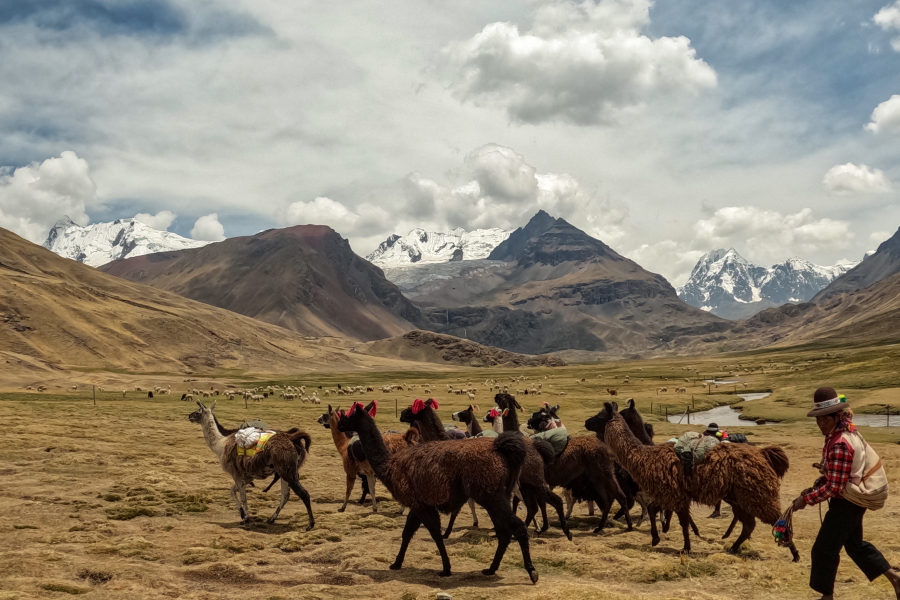
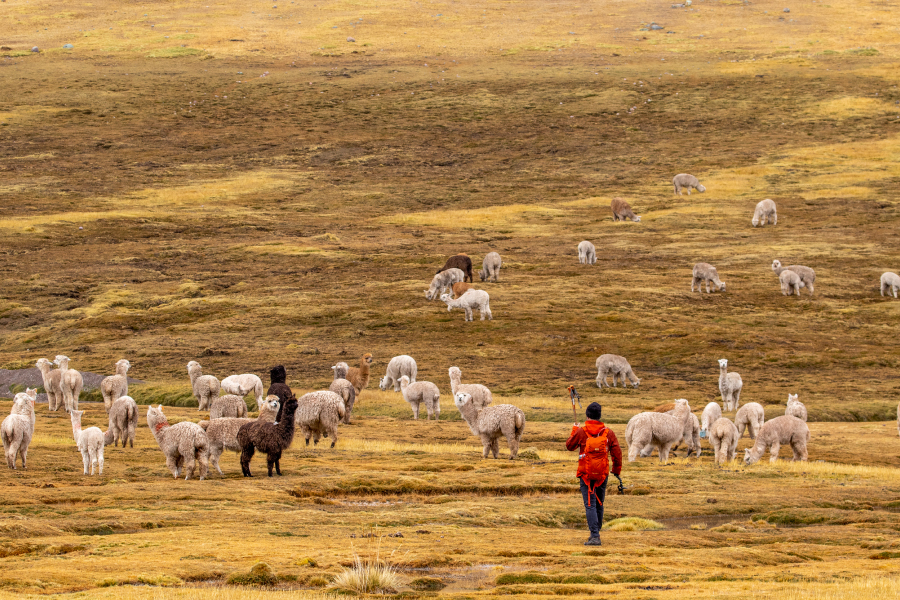
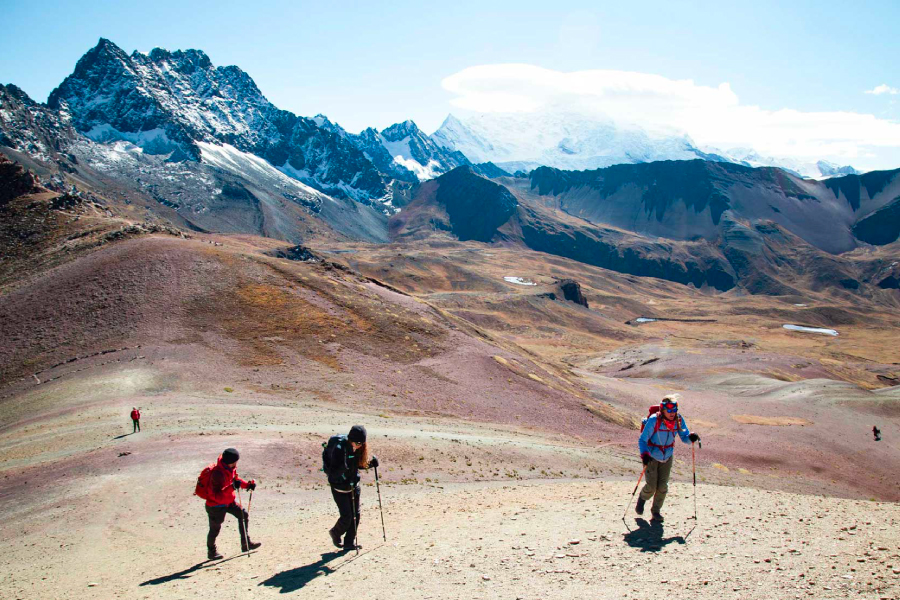
The peaks of the Ausangate chain are covered in snow throughout the year, while the lower slopes are home to llama herders, who walk with a firm step as they guide their herds with admirable skill. Their llamas act as porters for my gear, and they seem to carry ancestral stories with them, in every step they take.
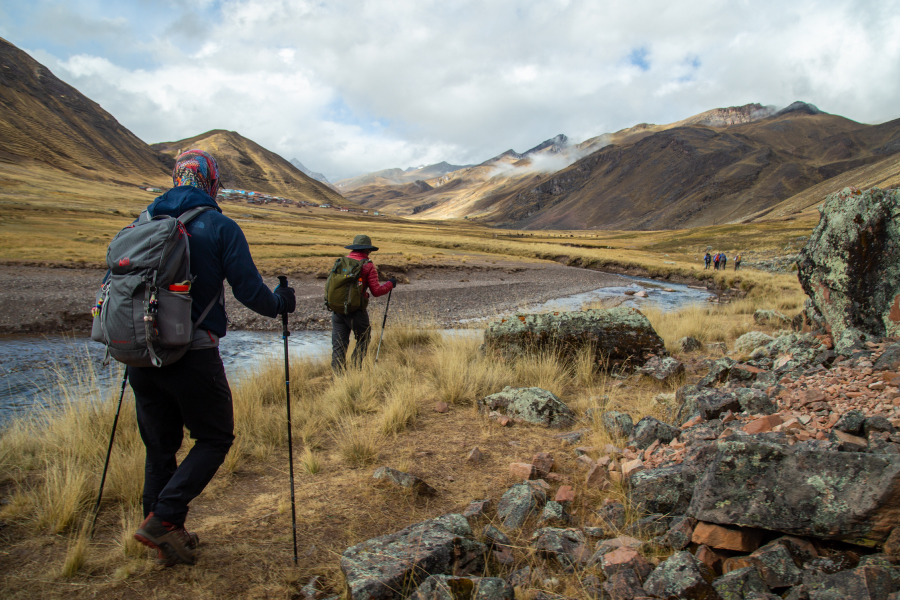
A trail leads us to a tent where we will have lunch before starting. After a few hours walking, we finally arrived at the Chillca Tambo lodge, at an altitude of 4,350 meters (14,272 ft). After a good rest, with a cup of coffee in my hand, I watch the sunset from beside the fireplace.
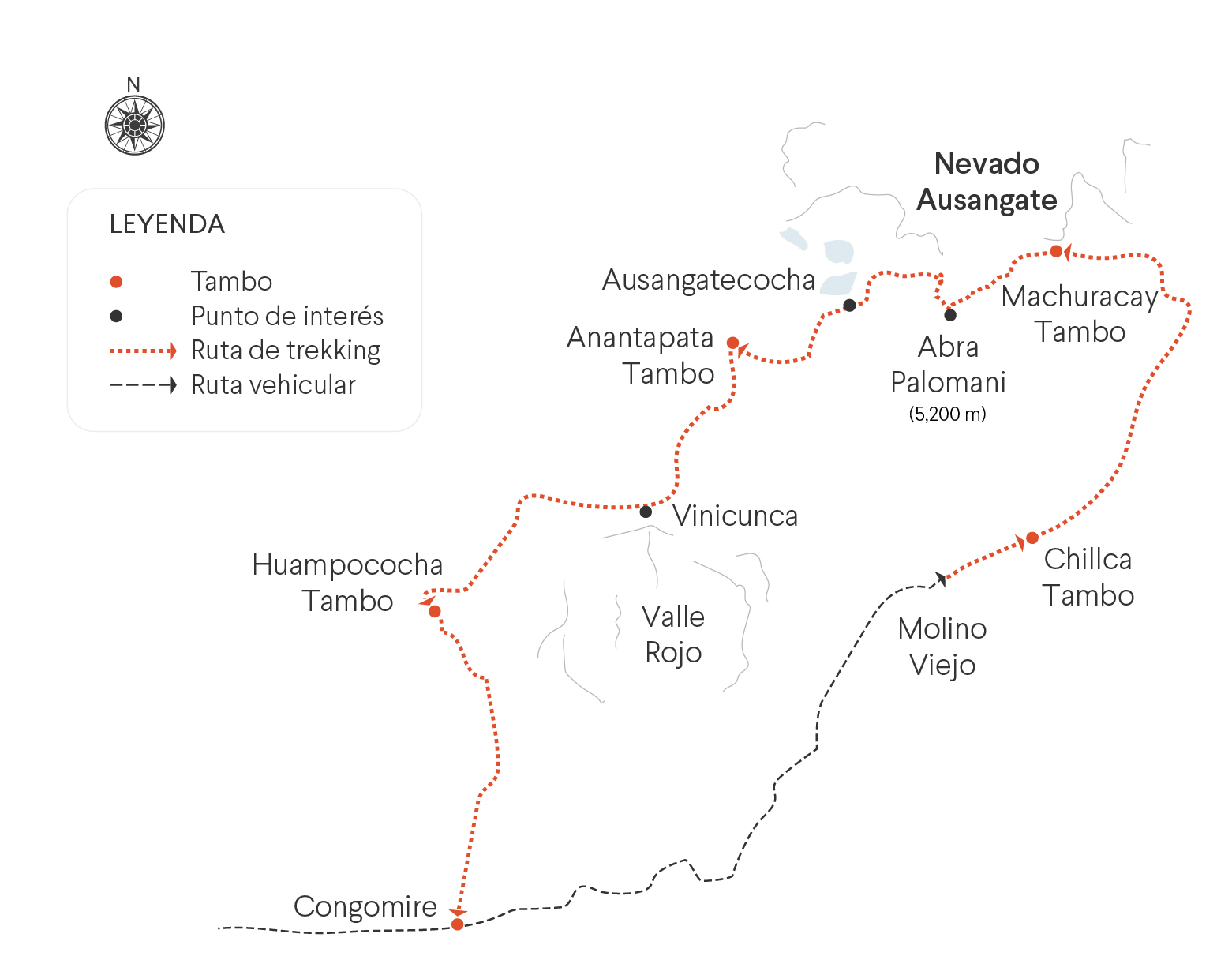
Tonight, I will spend the night in Machuracay Tambo lodge, at 4,850 meters above sea level (15,518 ft), the closest to the imposing Mount Ausangate.
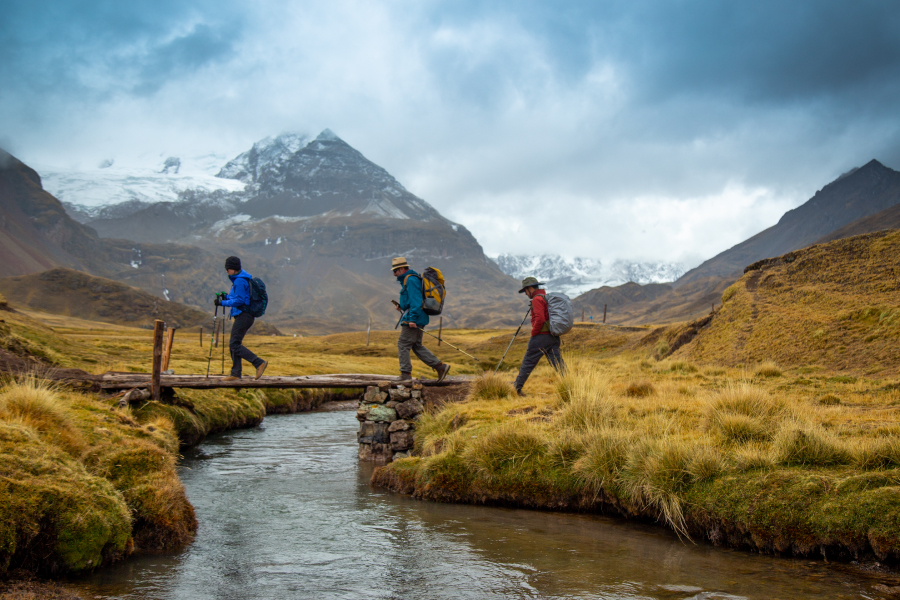
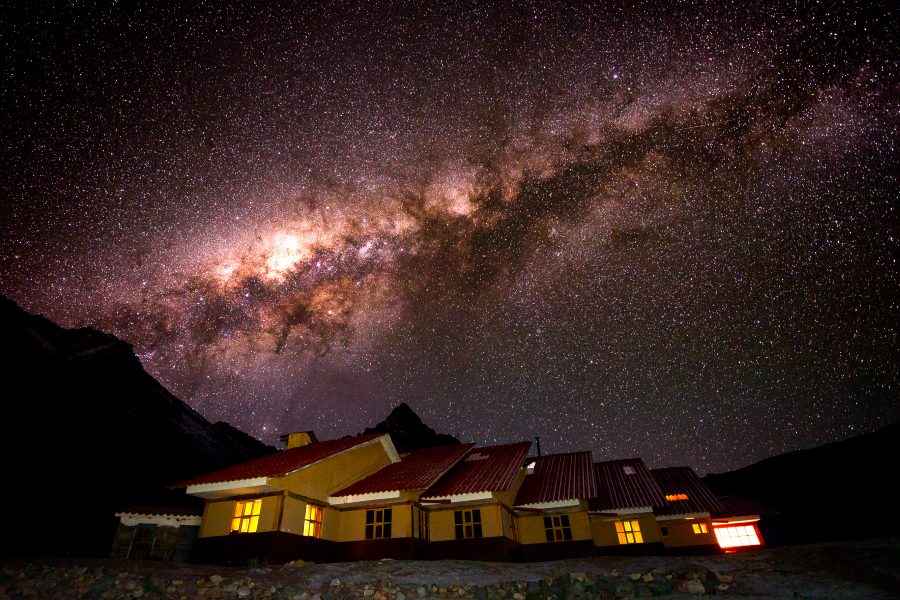
The third day’s walking is coming to an end. From the Anantapata Tambo lodge, the majestic snowcapped peaks appear so close. Tonight, I will sleep at 4,730 meters above sea level (15,518 ft).
The guides explained these shelters made from stone and wood took almost six years to build; everything needed for their construction was carried on llamas, horseback, and even by porters. Now, the llamas carry lighter loads, consisting only of backpacks, and their herders have been able to ensure the sustainability of their communities thanks to the tourist activity generated by the route.
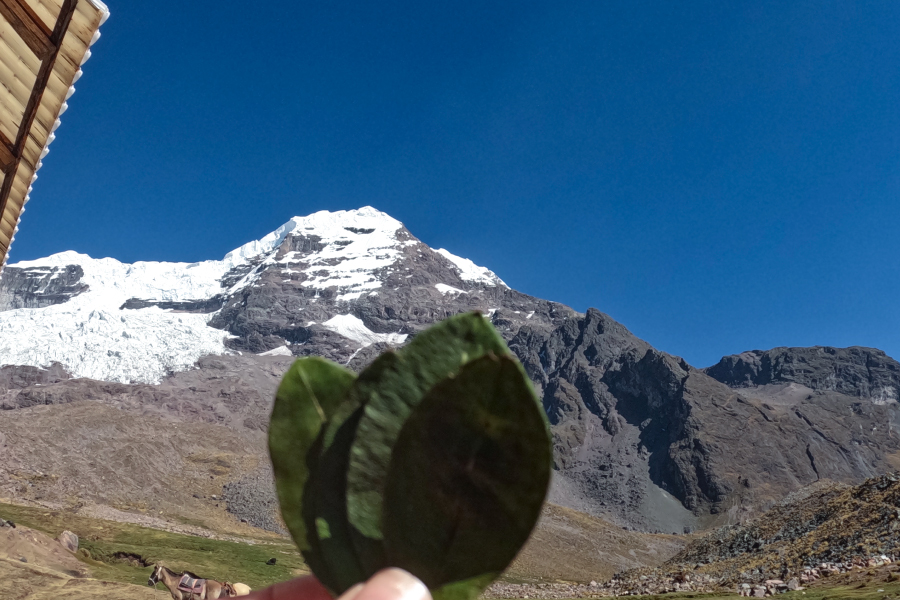
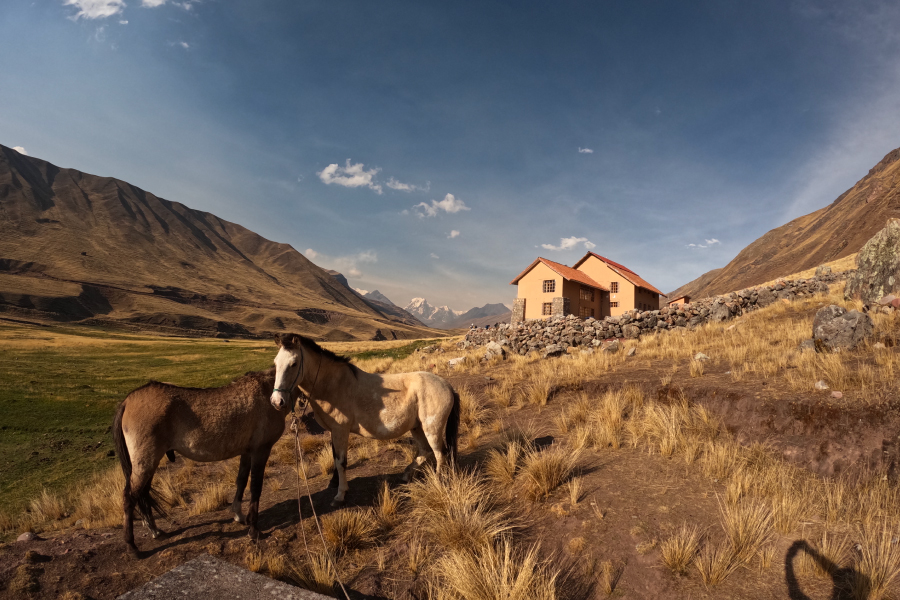
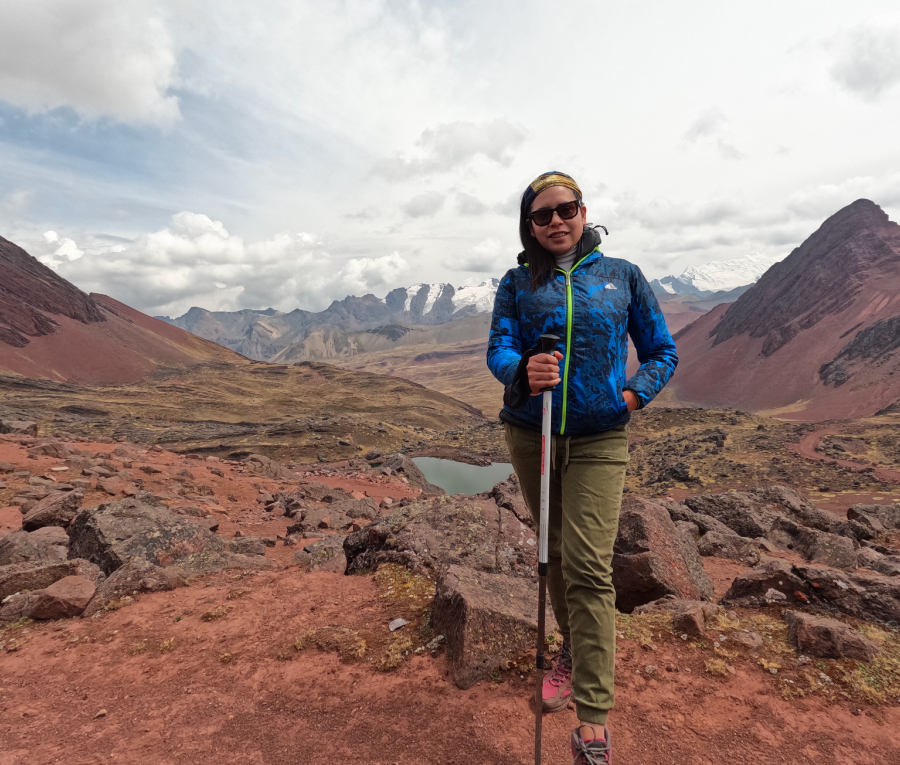
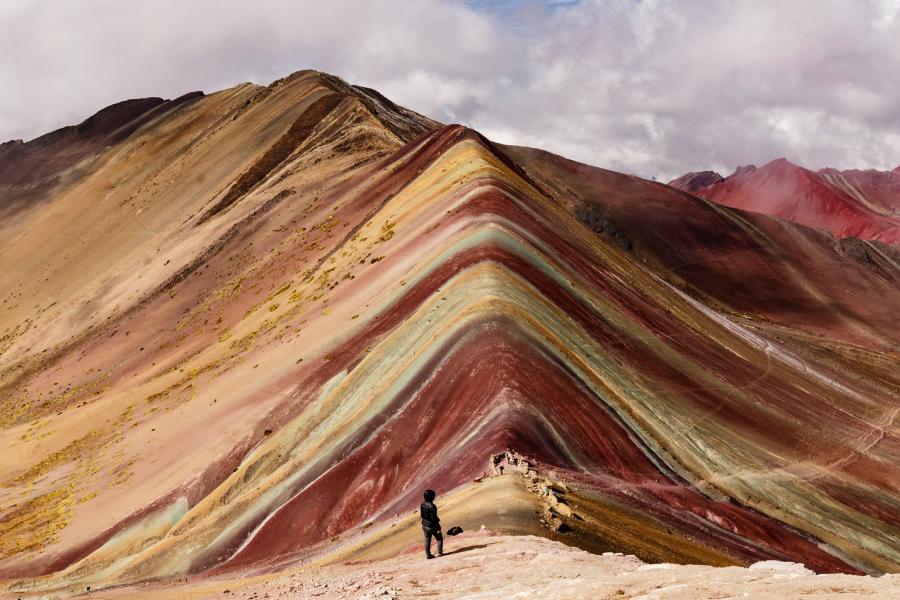
We arrive at the Warmisaya pass, at 4,985 meters (16,355 ft), in time to see the sunrise and a quick descent leads us to a lake where a picnic breakfast awaits us. When we are done, and after a short walk imbued with the mysticism only found in sacred places like this, I finally find myself facing Vinicunca. Its slopes are home to mineral deposits that dye it in turquoise, red, yellow, and green tones, creating an amazing rainbow effect. From here, we continue to the Red Valley, named for the crimson coloration caused by the presence of iron oxide in its rocks.
I will spend tonight at the Huampococha Tambo lodge, at 4,820 meters above sea level (15,814 ft).
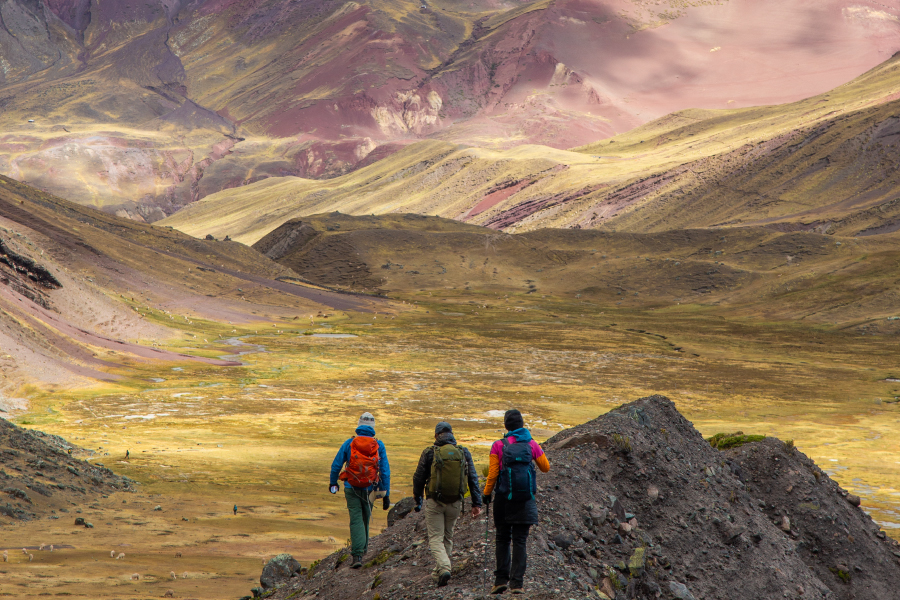
We start walking early. On the final section of our route, I see a large group of wild vicuñas, and with each step I leave further behind the imposing snowcapped mountains that accompanied me, like guardians, during the entire trip.
Discover the wonders Peru has to offer your travelers. Contact our destination experts.