
In the footsteps of the Chachapoyas:
A Journey into the Soul of the Amazonian Andes
Having traveled through almost all of Peru, there are regions that remain particularly close to my heart. Among those are Chachapoyas and the Utcubamba Valley, places that I would be happy to return to a thousand times, not only to enjoy their natural and cultural beauty, but also because they have retained intact their essence and possess enormous potential for the opening of new routes.
Over the years, I have had the privilege of exploring the area with specialists in different fields, including archaeologists. This experience has helped me to understand that more investigation is needed, and also that responsible tourism is key to the proper interpretation and appreciation that the area deserves. Today, I want to share with you some of the excursions that I consider essential for an understanding of how monumental archaeology, living culture, luxuriant nature and adventure are combined here.
Let’s journey together to this wonderful destination, where every trip feels like an expedition worthy of a movie.
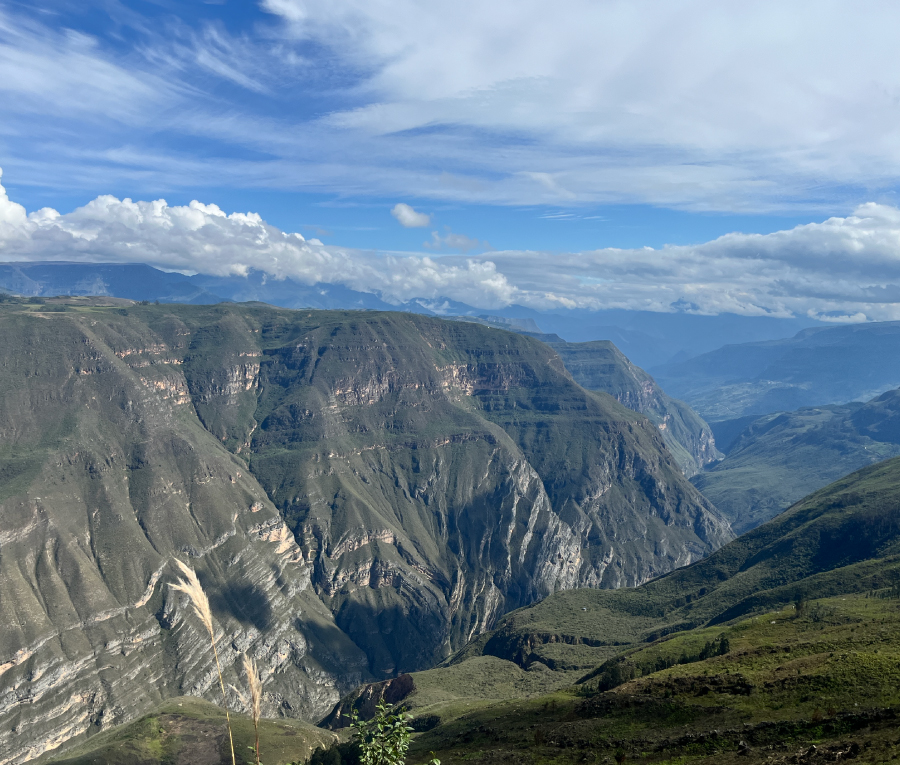
My journey begins at the Huancas Urco viewpoint, where the Andes melt into the Amazon in a breathtaking display of natural grandeur. I am at around 2600 meters and, from here, I can appreciate the dramatic landscape formed by the canyons of the Sonche and Utcubamba rivers. It is a clear day, and in the distance I can see the majestic Gocta waterfall.
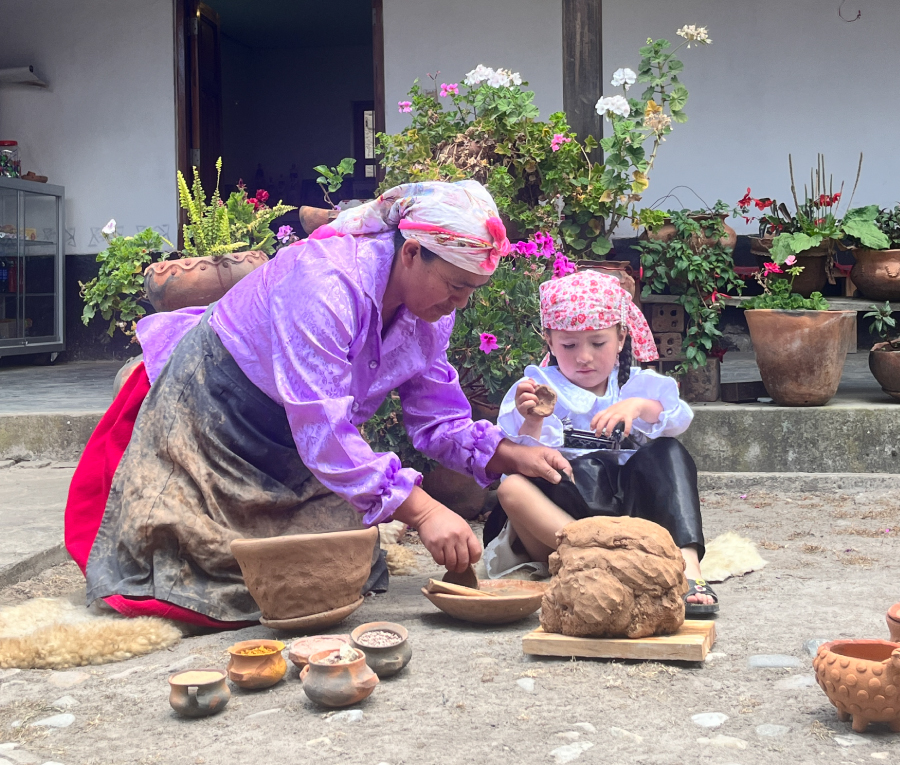
Just beyond the viewpoint lies the town of Huancas, known for its rich ceramic heritage. In 2012, this artisanal legacy was declared part of Peru’s National Cultural Heritage. I meet Doña Buenaventura Vilca, a master potter who learned her craft from her mother and grandmother. Today, she teaches her daughter, continuing a line of women artisans who shape clay with ancestral wisdom. Their pieces—pitchers, jars, and ritual vessels—are fired in wood-burning kilns, and their craft respects lunar cycles and ancient customs. Although Quechua has not been spoken as part of daily life in the region for several generations, many of the words and expressions associated with pottery making retain their roots in the language of the Incas.
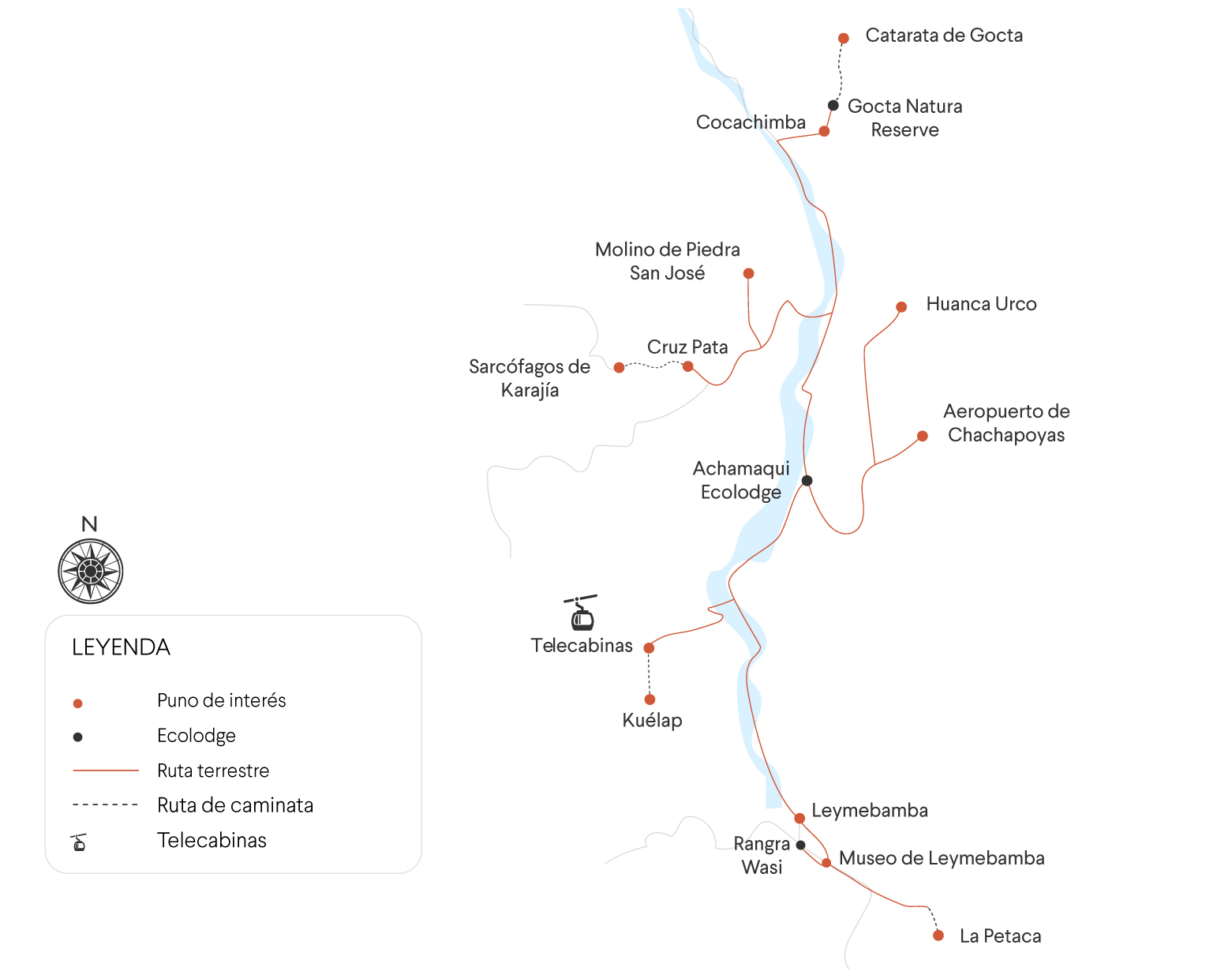
View full map
MARIANA WATSON
Commercial Director
mariana.watson@colturperu.com
For me, the second major attraction of this destination is La Petaca, a series of mausoleums as spectacular as they are little-known. After a beautiful horseback ride along a narrow trail, I reach the viewpoint where, with the help of a telescope, I contemplate the sight of more than 100 tombs, built into a wall over 250 meters high. According to legend, it was here during the conquest of the Incas that one of the Chachapoyas people’s leaders poisoned the Inca Huayna Capac, before then committing suicide. At first, the rebel was buried at La Petaca, but subsequently the Incas disinterred and destroyed his remains, thereby inflicting the ultimate punishment for those who believe in life after death. This story was immortalized in a large mural next to the mausoleums, as a warning to those who plotted to rebel against the Inca empire.
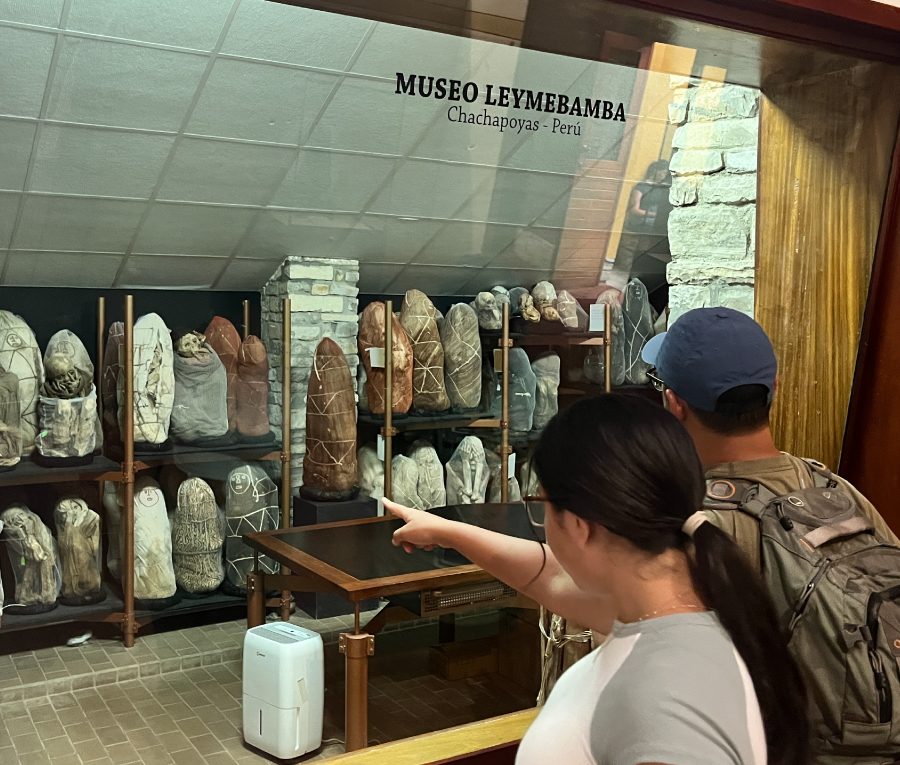
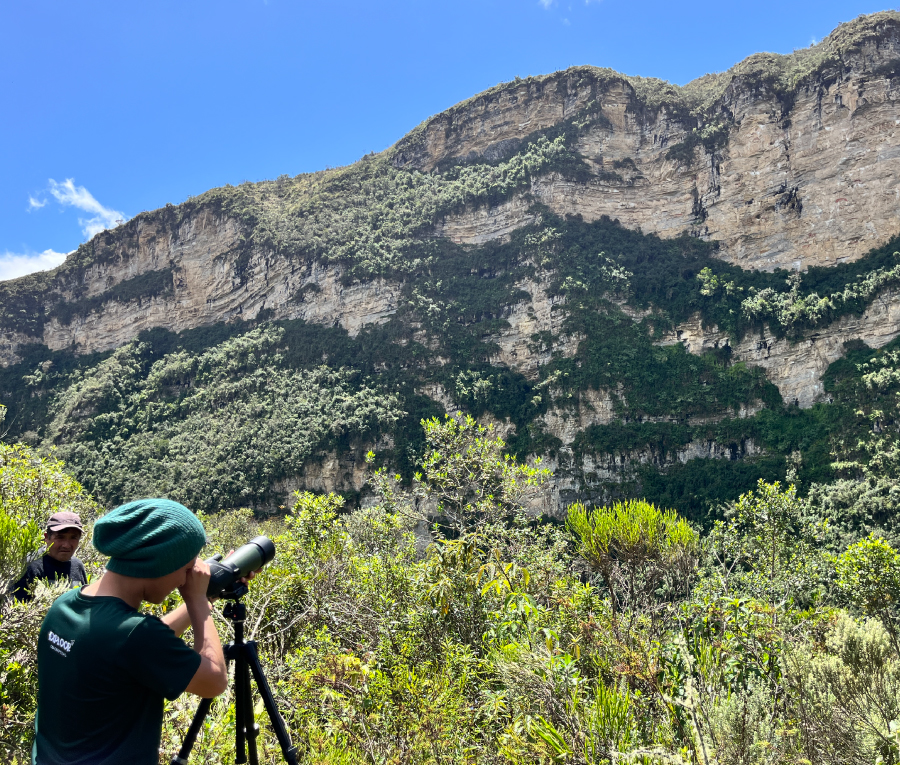
The fame of the Chachapoya culture has grown through the rediscovery of lost citadels like Gran Vilaya and Gran Pajatén, hidden in the cloud forest. In addition, down in the valley the remains of more accessible settlements can be seen, such as Ollape, Yalape and, of course, the great citadel of Kuelap, the centerpiece of any tour of the region.
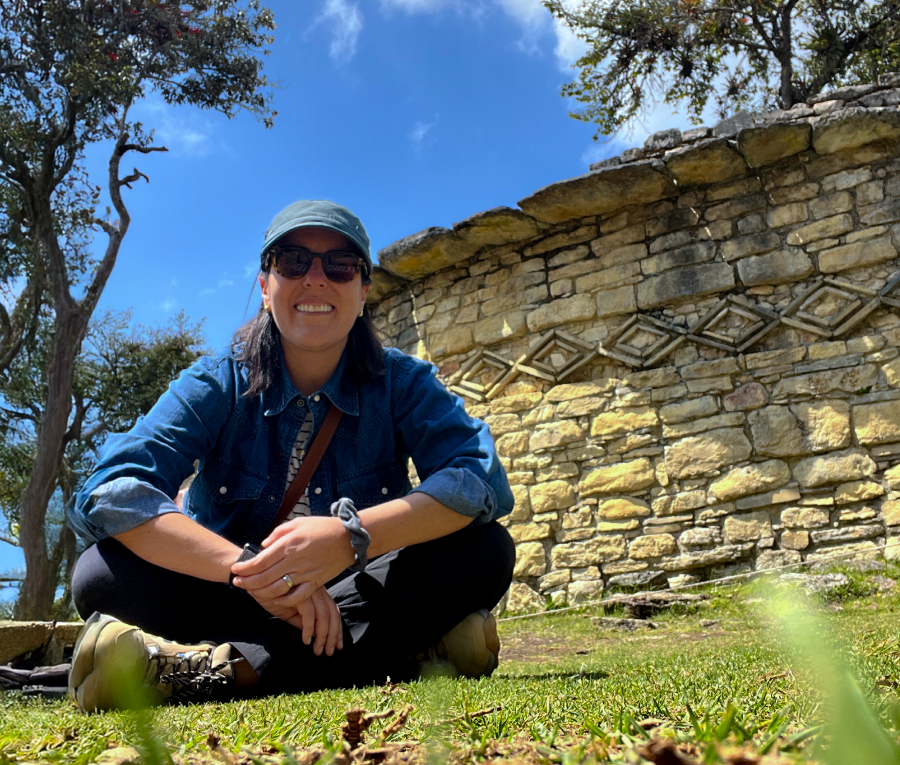
Kuelap is a monumental fortress built on a mountaintop at an altitude of almost 3000 meters. The cable car provides easy access, while I enjoy spectacular views of the valley. The citadel, surrounded by a stone wall up to 20 meters in height, is composed of temples, plazas and circular dwellings, decorated with friezes carved in the form of jaguars, serpents, and geometric motifs. I am accompanied on the tour by the archaeologist and historian Dr. Peter Lerche, an excellent source of knowledge for a better understanding of the history, art, and worldview of this impressive culture. Kuelap is unmissable: it represents not only the architectural majesty of Chachapoyas culture, but also their spiritual sophistication and the leading role they played in the northern region of ancient Peru.
The next day, continuing my journey from south to north through the Utcubamba Valley, I reach the Luya area, where another of the great highlights of this destination is located: the sarcophagi that are an exclusive tradition of the northern valley. I particularly recommend visiting the Karajía sarcophagi, which are the most imposing and best preserved. A hike along a 3.5-kilometer circuit takes us to a viewpoint where we see the enormous rock wall that houses dozens of sarcophagi, enabling us to reconstruct in our minds the complex ceremonial process of burial at such an inaccessible location. The main group, made up of six sarcophagi over two meters high and decorated in red, yellow, white, and purple, is one of the most unique and sophisticated funerary sites in all of Pre-Columbian America.
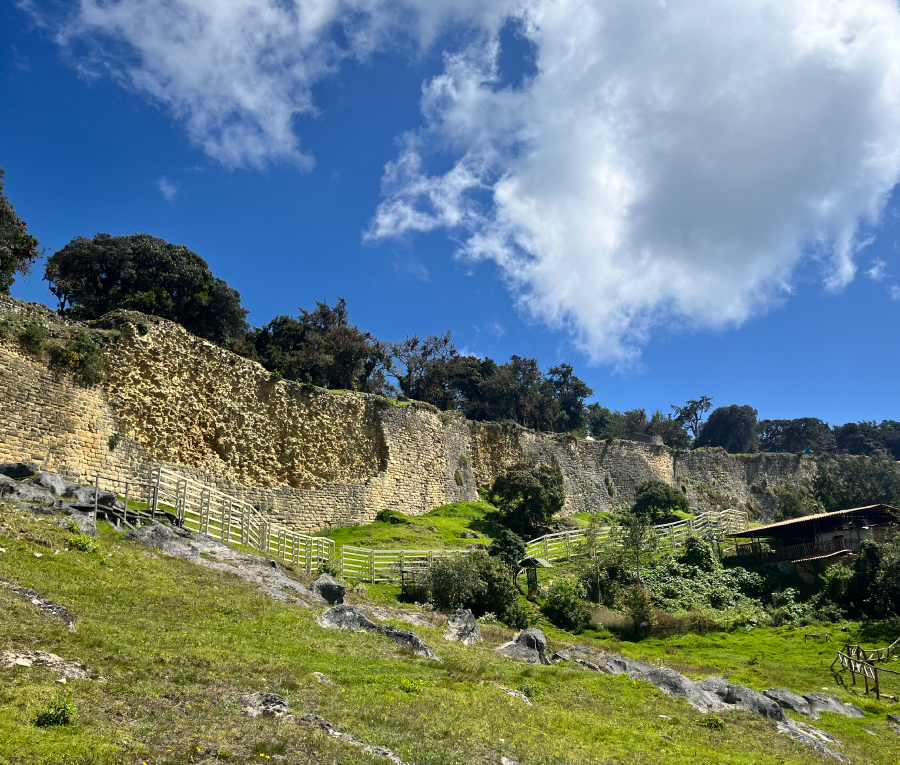
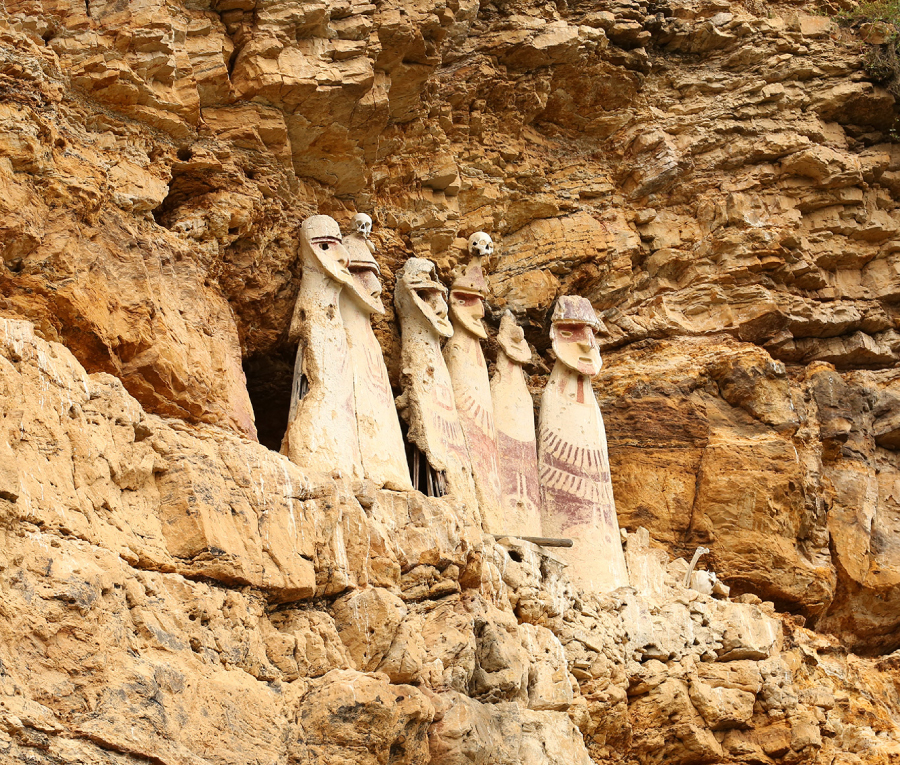
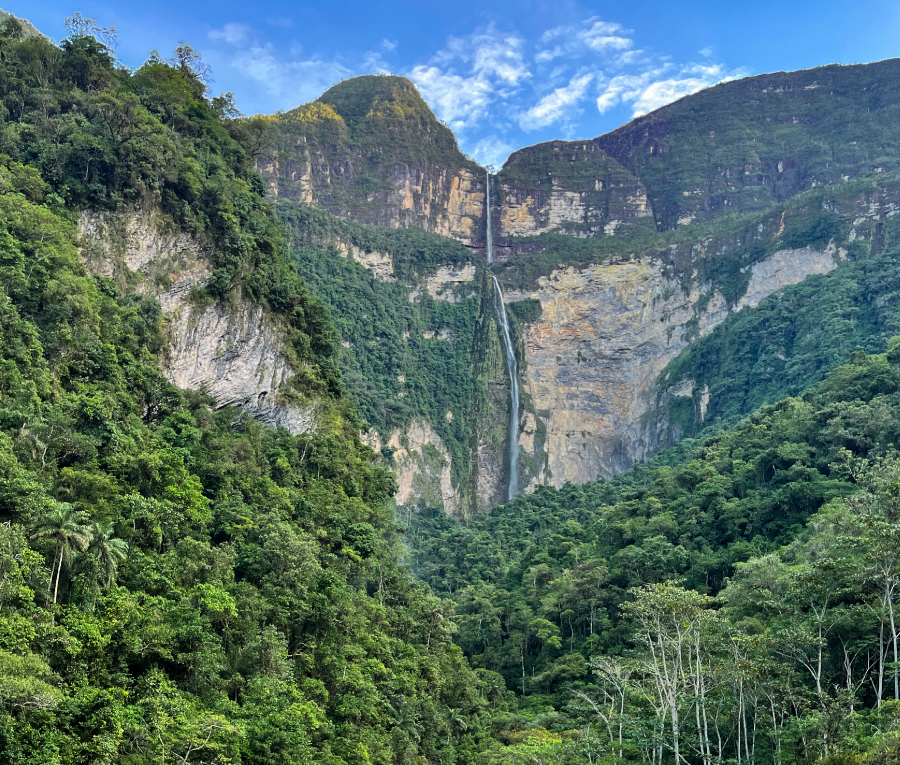
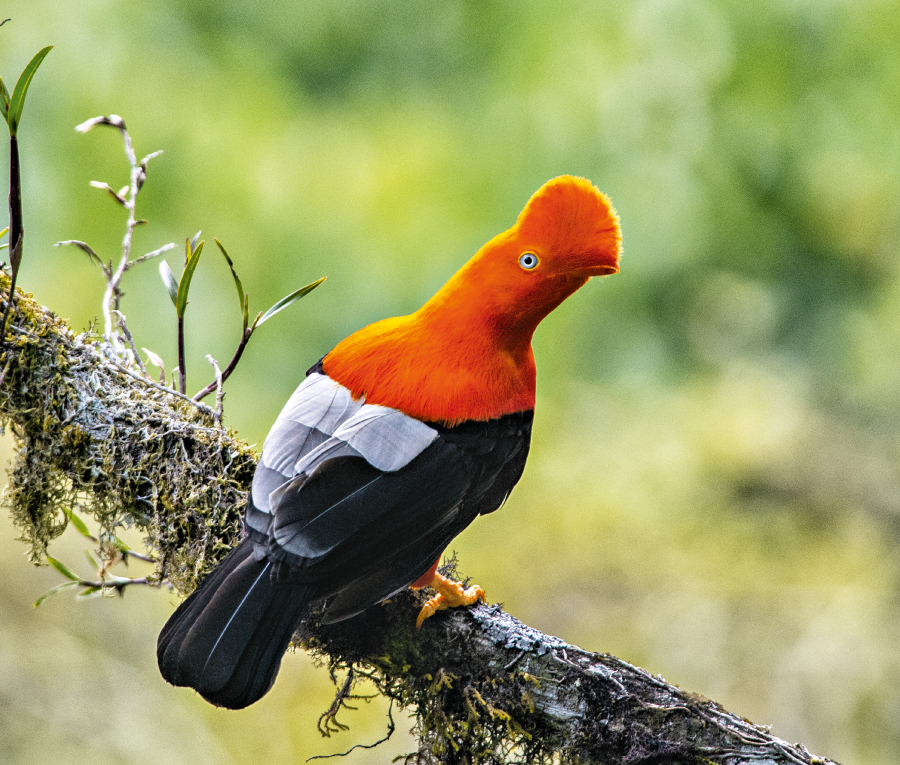
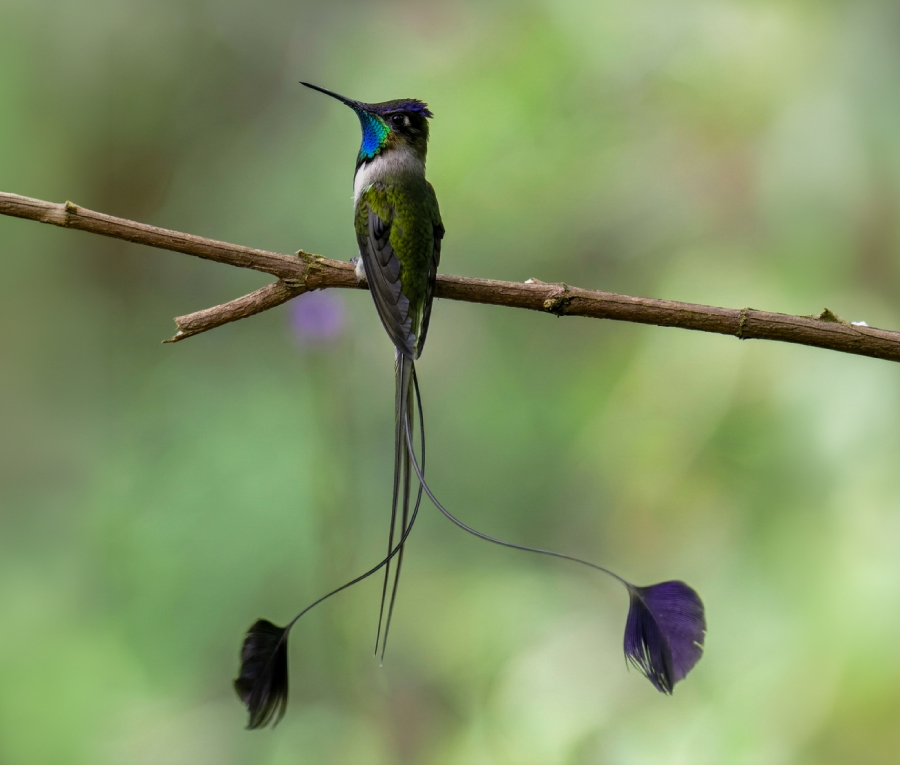
During my last few days in Chachapoyas, I decided to shift from archaeological exploration to experience the natural scenery of the region. And so, on my last day, I head to Cocachimba, with its cloud forest, orchids, bromeliads and exceptional biodiversity. Situated at around 1800 meters, this is a paradise for lovers of birdwatching. The hike to Gocta Waterfall, one of the highest in the world at 771 meters, begins in the small town of Cocachimba. The 12-kilometer round-trip hike can be challenging, but horses are available for part of the way.
In Chachapoyas, history, nature and daily life are uniquely intertwined. And, even though I’ve been here many times, my to-do list in the region keeps growing. This is, without a doubt, a place that one can return to endlessly, and be surprised every time.
Discover the wonders Peru has to offer your travelers.